
Auto Dealership Owners, Finance Managers, Sales Directors, Risk Management Officers, Dealer Group Executives, and Fleet Managers: today’s vehicle landscape isn’t just defined by technological innovation—it's defined by risk mitigation and sustainable profitability. In this era of premium wheels, luxury trims, and increasingly discerning clientele, tire and wheel coverage has rapidly evolved from a “nice-to-have” to a strategic imperative. But are you and your customers seeing the real value beneath the surface?
To provide actionable guidance, we tap into the expertise of Chris Wied, the driving force behind Wied Auto Finance Solutions (WAFS). Known for his unwavering focus on tailored dealer finance products and post-sale satisfaction solutions, Wied’s experience illuminates not only what makes tire and wheel coverage critical but also how to present it for breakthrough revenue and customer loyalty.
Why Tire and Wheel Coverage Is a Smart Investment for Auto Dealerships
According to Chris Wied, expensive cosmetic wheels and high-performance tires are not the outliers—they’re the new normal. Modern vehicle designs, especially in premium and luxury markets, increasingly feature 22-inch painted or chrome wheels that carry a hefty replacement cost. When factoring in the rise of urban obstacles, road hazards, and harsh weather conditions, tire and wheel coverage transcends traditional add-on status—it becomes a dealership’s risk management shield. Wied emphasizes this reality for every dealer aspiring to minimize warranty claim disputes and strengthen client relationships.
Dealerships leveraging this protection aren’t just delivering value—they’re architecting peace of mind for their clients. It’s about transforming a routine tire hazard into an opportunity to reinforce a customer’s trust and satisfaction, which, according to Wied’s insights, directly correlates to increased loyalty and heightened likelihood of future purchases or referrals.

As Chris Wied of Wied Auto Finance Solutions explains: "Most new cars, especially the premium models with 22-inch painted or chrome wheels, often face costly tire and wheel damage that far exceeds the price of coverage."
Dispelling the Biggest Misconception: Tire and Wheel Coverage Isn’t Costly
One of the most persistent myths is that tire and wheel coverage represents a prohibitive expense for either the dealership or the customer. According to Chris Wied, this belief prevents many dealers from effectively integrating coverage into their offerings and bypasses an easy opportunity for both profit and customer service excellence. The reality is, with the average replacement cost of a premium tire and alloy wheel reaching well over a policy’s purchase price, the return on investment is usually immediate.
Wied recounts, “Dealers often underestimate just how quickly a simple road mishap—like a nail puncture or a curb scrape—can add up. Yet, the first instance of damage typically covers the cost of the entire policy. ” This insight, drawn from years of hands-on dealership support work, makes it clear: the biggest misconception is not just financially incorrect, but strategically short-sighted for modern retail automotive operations.
How Tire and Wheel Coverage Translates Into Real Customer Value
Beyond the numbers, it’s the peace of mind that frequently tips the scales in favor of tire and wheel coverage. Chris Wied shares a personal example that resonates with both customers and dealership leaders: “I had tire and wheel coverage on my 2024 GMC truck. After a nail rendered my tire irreparable, the policy saved me more than what I paid. ” This is not an isolated case; similar scenarios play out on dealership lots daily, leading to satisfied customers relieved of unexpected out-of-pocket expenses.
Every time a customer walks away with a positive coverage experience, it fuels dealership reputation and ups the likelihood of repeat business. According to Wied, ensuring “customers understand what the true benefits are of the policy” is the key step that too many sales teams overlook. Instead of positioning coverage as an added cost, the successful dealership reframes it as a value guarantee—an essential component of asset protection in modern vehicle ownership.
As Chris Wied of Wied Auto Finance Solutions shares: "A single nail puncture on my 2024 GMC truck led to a non-repairable tire replacement—without coverage, that would have been a painful expense."
- Top 3 Reasons Tire and Wheel Coverage Boosts Dealership Revenue
- How to Effectively Present Tire and Wheel Coverage to Customers
- Key Benefits Customers Must Understand to Appreciate Coverage Value
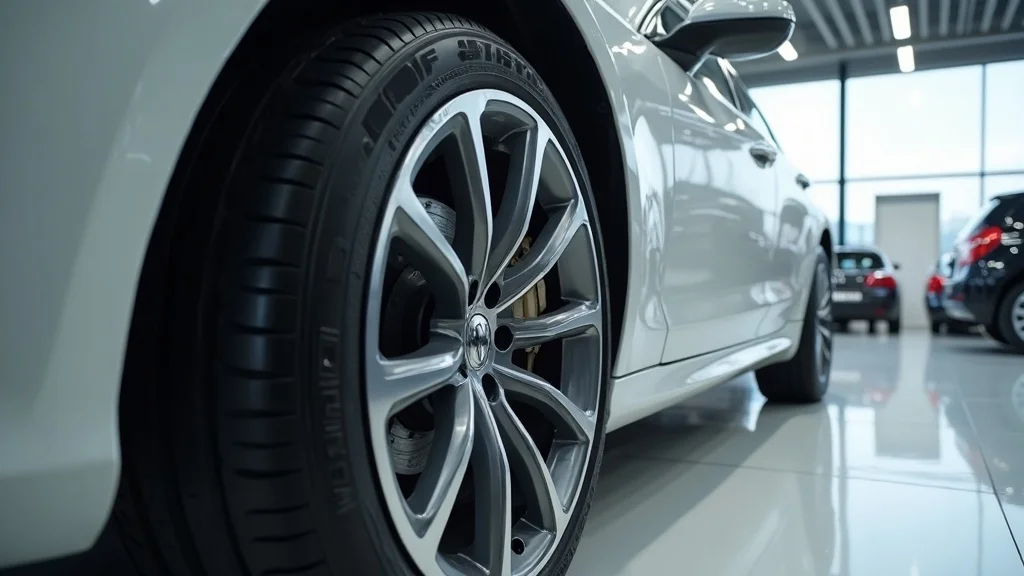
Maximizing Customer Satisfaction and Dealer Profitability Through Coverage
Dealership profitability isn’t just measured at the point-of-sale—it’s forged in the aftermath of unexpected customer challenges. When a client faces a tire issue and discovers their tire and wheel coverage steps in seamlessly, not only is their vehicle protected, but their brand loyalty deepens. Wied’s approach, as reflected across WAFS’s expansive client base, is to use every customer interaction as an opportunity to transform small, everyday pain points into long-term satisfaction.
This strategic shift produces measurable, recurring revenue streams for forward-thinking dealers. Coverage products discourage price-shopping by differentiating your offering and establishing a “full-circle” value experience. Wied’s model proves that thoughtful integration of coverage is as much about dealer identity as it is about profit: “It’s an act of care as much as commerce,” he notes, which translates into sustained customer trust and an enduring pipeline of service, referrals, and ancillary product sales.
As Chris Wied of Wied Auto Finance Solutions puts it: "Our goal is always to present tire and wheel coverage clearly so customers understand its true benefits, turning potential worries into peace of mind."
Actionable Tips for Auto Dealers: Integrating Tire and Wheel Coverage into Sales Strategy
According to Wied, successful adoption starts with proactive training and consistent messaging: make coverage part of every pitch and every presentation. Sales and finance teams should demonstrate not just policy features, but articulate real-life scenarios where coverage delivers outsized value—turning a simple “no” into a “tell me more. ” Sales success is tied directly to how confidently your team re-frames tire and wheel coverage as an asset, not an expense.
One of the most overlooked tactics is live demonstration. Wied encourages dealers to feature testimonials and case studies from real customers, illustrating both frequency and costliness of tire-related mishaps. By visually breaking down the economics in a dealership setting, you provide context that a brochure cannot. The expert’s perspective: “The best coverage presentations paint a vivid picture—the difference between a $400 policy and a $1,000 repair bill sits at the core of the customer’s decision tree. ”

Understanding the Economics: How a $400 Policy Can Save $300+ on Repairs
Crunching the numbers is where resistance often fades. Wied’s personal story—a $400 policy offsetting a $300 tire cost after a single incident—isn’t just relatable; it’s repeatable across the industry. Dealership leaders must arm themselves with cost comparisons demonstrating that, in a world of rising OEM part prices and premium tire costs, a single event often justifies the policy’s investment.
According to Wied, “Many coverage skeptics become believers after seeing how one accident wipes out years of expected policy cost. ” Framing the conversation around risk mitigation, average incident frequency, and the steep price of modern wheels and tires, sales leaders can pivot customer focus from perceived upsell to rational asset protection. This shift pays ongoing dividends in both profitability and customer lifetime value.
Common Misconceptions and How to Overcome Customer Resistance
Resistance thrives on myth and misunderstanding. Wied has repeatedly observed that customer skepticism usually stems from three core misconceptions: that tire and wheel coverage is overpriced, that tire damage is rare, and that policy features are too complex to add value. Dealers committed to education and value demonstration routinely overcome these objections, reframing policy adoption as a rational, cost-effective decision rather than an emotional one.
According to Wied, the antidote is twofold: robust staff training and customer-facing materials that use clear language and relatable examples. Dealerships that proactively address skepticism at every touchpoint not only increase conversion rates but also minimize future claim disputes and customer confusion. In today’s transparent marketplace, it pays to arm your clientele with facts, not just features.
- Myth #1: Tire and Wheel Coverage is too expensive
- Myth #2: Damage is rare and not worth the investment
- Myth #3: Customers don’t understand policy benefits
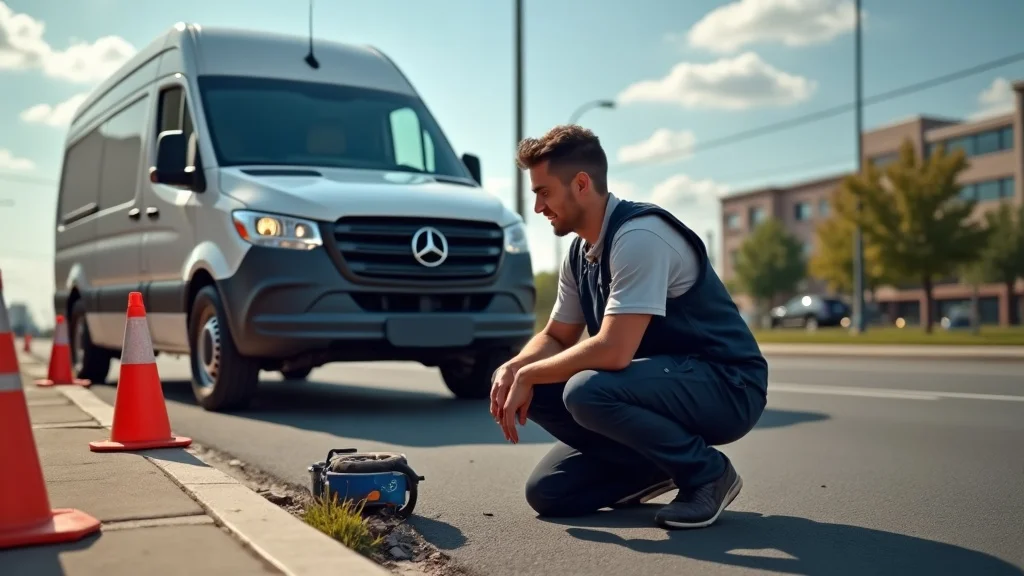
Summary: The Imperative Role of Tire and Wheel Coverage in Modern Auto Financing
The dynamics of the vehicle finance landscape are shifting rapidly. As complex wheel designs proliferate and the cost of roadside repairs continues to escalate, tire and wheel coverage stands as a foundational pillar for both risk mitigation and enhanced client experiences. Wied’s expertise, gleaned from guiding dealership finance teams across the country, positions this coverage not as a luxury, but as an essential safeguard for assets and reputations alike.
Comprehensive protection programs, when championed by both sales and finance teams, are proven to reduce customer attrition, drive repeat business, and fuel positive online reviews. In partnership with trusted providers like WAFS, dealerships are future-proofing their business models and capturing a sustainable edge in a competitive landscape.
Elevate Your Dealership’s Finance Strategy with Comprehensive Coverage Solutions
Modern finance strategies must now include tire and wheel coverage as a signature product—one that enhances profitability and demonstrates genuine customer care. Wied’s long-term view is that coverage solutions become the cornerstone of robust dealership identity: reducing “gotcha” moments and boosting customer peace of mind. Dealers who integrate these products will consistently outperform and outlast their competition.
As Chris Wied of Wied Auto Finance Solutions affirms: "In today’s market, tire and wheel coverage isn’t just an add-on—it’s a cornerstone for protecting investments and enhancing customer loyalty."

Take the Next Step: Protect Your Customers, Protect Your Dealership
According to Chris Wied, transformative dealership growth is driven by product offerings that anticipate client risks and deliver concrete value. By making tire and wheel coverage an integral part of your finance menu, you safeguard not only your income streams but also your customer relationships and dealership reputation. Now is the time to elevate your coverage strategy—review your current offerings, educate your team, and measure the impact on customer satisfaction scores.
Ready to see how Wied Auto Finance Solutions tailors tire and wheel coverage and other profit-driving protection solutions for dealerships of all sizes? Visit w-afs.com or call 833-533-3600 to speak directly with Chris Wied and put a comprehensive, results-driven strategy in motion for your team.


Write A Comment