

Why the 15-Minute Rule No Longer Applies
For years, the standard in automotive lead responses for dealerships was to respond within 15 minutes. It was a benchmark that dictated how dealerships prioritized customer inquiries. However, as the digital landscape evolves and consumers become more accustomed to immediate responses, this old adage is becoming increasingly irrelevant. A recent study by Pied Piper shows that while the percentage of dealers providing a "perfect response" within that timeframe has doubled in five years, the challenge lies in the transition from AI to human communication, an area where many fall short.
The Reality of Consumer Expectations
Today’s shoppers are savvy and expect instant engagement. Many have assessed your online vehicle display pages (VDPs) and researched financing options before they even submit a lead, meaning that by the time a dealership gets to them, the interaction is often stale. In this new age, the goal should no longer be simply responding quickly; it needs to focus on enhancing the customer experience from the moment they reach out. Strategies need to shift towards providing insightful, tailored interactions that reflect the customer’s unique needs and concerns.
Embracing AI in Automotive CRM
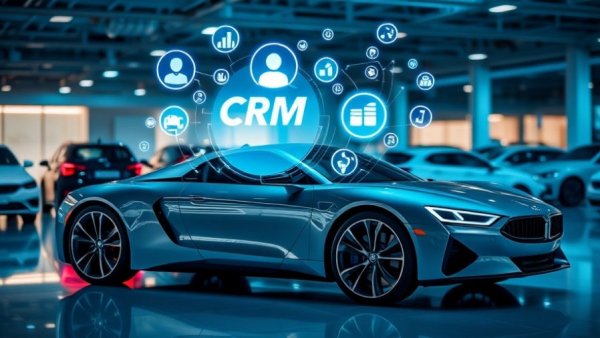
As dealerships navigate this transition, integrating AI-powered solutions into customer relationship management (CRM) is key. AI-driven systems can handle routine inquiries, such as checking availability or scheduling test drives, enabling salespeople to focus on high-value conversations. When AI offers prompt answers to simple questions, potential customers are more likely to feel attended to and valued— it softens the wait times for more complex inquiries.
For instance, solutions like Fullpath’s AI lead handling agent not only facilitate immediate engagement but also provide sales staff with vital context before they even pick up the phone. This allows for more personalized and effective follow-ups, which is a stark contrast to previous strategies that often led to fragmented follow-up processes. By prioritizing leads based on urgency and interest, AI ensures that sales teams are making the most of their time.
Overcoming Challenges in Lead Response
Despite advancements, many dealerships still face fragmentation in their systems, creating the potential for leads to slip through the cracks. An inefficient handoff from AI to human salespersons can derail potential sales, leading to frustrated customers. Clean data and clear workflows are vital for preventing these issues. AI should not operate in isolation; integrated systems must work together to provide a seamless transition and nurturing process for each lead.
Future Predictions: Redefining Lead Interaction
Looking ahead, the role of AI will continue to expand within the dealership landscape. The days of relying solely on the 15-minute rule will shift towards a more holistic approach that combines speed with personalization. By understanding that each interaction is unique, dealerships can utilize AI to foster deeper relationships with customers and enhance their experience at every touchpoint.
Final Thoughts on Automotive Sales Strategy
As we embrace this change, it is crucial for automotive dealerships to reevaluate their approach to lead responses continually. AI's role should not be to replace human engagement but to augment it, allowing sales teams more time to cultivate meaningful relationships. As we drive into the future, staying ahead of consumer expectations while leveraging technology will define success in the automotive industry.
For more info on how to optimize your dealership’s customer interaction strategies, visit here.



Write A Comment