
Did you know that 2026 is poised to bring a significant surge in the automotive aftermarket business as vehicles purchased during the COVID-19 pandemic reach the end of their lifecycles? This unexpected growth opportunity demands that car dealerships rethink their strategy on dealer profitability aftermarket products
Startling Industry Insight: The Growing Importance of Dealer Profitability and Aftermarket Products

The automotive retail landscape is rapidly evolving, with many dealerships seeking dependable and sustainable revenue streams beyond vehicle sales. One of the most impactful ways to boost dealer profitability aftermarket products is through integrating aftermarket parts and service contracts tailored to customer needs. From extended warranties to identity theft protection, offering transparent and customer-centric products creates multiple touchpoints for additional dealership revenue.
Chris Weed of Wied Auto Finance Solutions highlights, “We have seen tremendous growth potential by focusing on products that dealers don’t currently offer — effectively filling gaps without disrupting their existing operations.” This philosophy of supplementing dealership portfolios with innovative aftermarket solutions rather than replacing current offerings has proven fruitful, building trust both with dealers and customers alike.
By leveraging existing dealer relationships and offering unique product mixes, dealerships can not only increase short-term profits but also nurture repeat service visits, which are crucial to long-term success in the parts and service departments.
Understanding Dealer Profitability and Aftermarket Products in the Automotive Industry
What Are Aftermarket Parts and Their Impact on Spare Parts Sales?
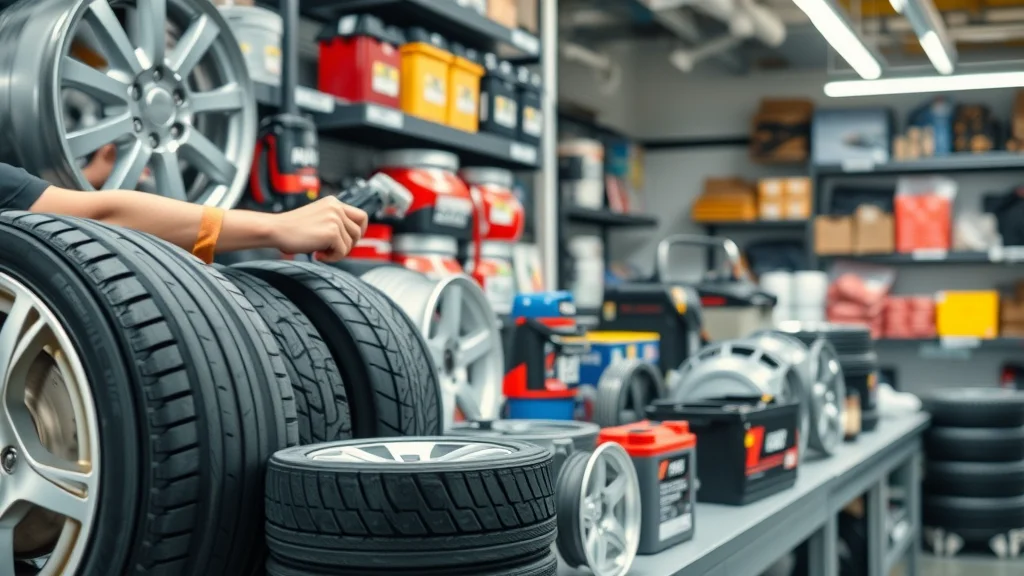
Aftermarket parts refer to vehicle components and accessories not made by the original equipment manufacturer (OEM) but designed to fit or enhance the vehicle. These parts range from tires and batteries to specialty wheels and car care accessories. Spare parts sales represent a vital revenue stream that frequently outperforms new car sales margins, thanks to higher markups and ongoing maintenance needs.
Integrating high-quality aftermarket parts alongside OEM components allows dealerships to capture a larger share of the spare parts sales market. These products complement regular maintenance offerings, enhancing customer convenience, and encouraging service department use. As vehicles on the road age— with many now averaging over 13 years — customers increasingly require affordable and reliable aftermarket options, driving consistent sales growth.
Chris Weed notes, “We provide everything from identity theft products to comprehensive vehicle protection solutions, ensuring dealerships have access to the full spectrum of aftermarket products, allowing them to meet customer expectations across the board.” This holistic inventory approach supports both customer satisfaction and dealership profit maximization.
The Role of Transparency in Enhancing Dealer Profitability
How Transparency Builds Trust with Customers and Improves Aftermarket Revenue

Transparency is the cornerstone of building dealer profitability aftermarket products success. Customers today demand clear, honest information about aftermarket offerings, including pricing, coverage, and claim processes. When dealers openly communicate these details, they foster trust, reduce buyer hesitation, and increase the likelihood of aftermarket package purchases.
Transparency also extends internally within dealerships, encouraging collaboration between sales, finance, and service teams. This alignment ensures consistent messaging and product delivery, avoiding customer confusion and dissatisfaction. Chris Weed emphasizes, “We believe dealers should be empowered to offer self-insured vehicle service contracts, holding money and paying claims themselves. This control boosts profitability and reinforces dealer integrity with customers.”
By offering simple, straightforward products that “do what they say and say what they do,” dealerships can repair the often-distrustful customer relationship common in the finance and insurance (F&I) office, turning aftermarket products into a positive customer experience rather than a last-minute sales push.
Leveraging Aftermarket Products to Drive Dealership Profitability
Key Aftermarket Products That Boost Dealer Profitability
Chris Weed explains, “We offer programs where dealers can build their own vehicle service contracts, holding the money and paying claims themselves, which gives them full control and better profitability.”
Among the various dealer profitability aftermarket products, vehicle service contracts (VSCs) represent a substantial profit center. Traditional reinsurance models, where dealerships essentially outsource risk and control, often entail high fees and limited flexibility. Chris Weed advocates a shift towards dealer-controlled, self-insured contracts that allow dealerships to handle claims directly — a lucrative shift enhancing margins and customer loyalty.
Besides VSCs, dealers leverage GAP insurance, tire and wheel protection, and identity theft protection to diversify their offerings. Technology plays a critical role in introducing products like gather technology for identity and insurance verification, which reduces fraud and compliance risk while enhancing product value.
This suite of aftermarket products enriches dealership revenue streams, enabling dealerships to capture more value throughout the vehicle ownership lifecycle.
Integrating Aftermarket Parts and Accessories for Enhanced Parts Sales
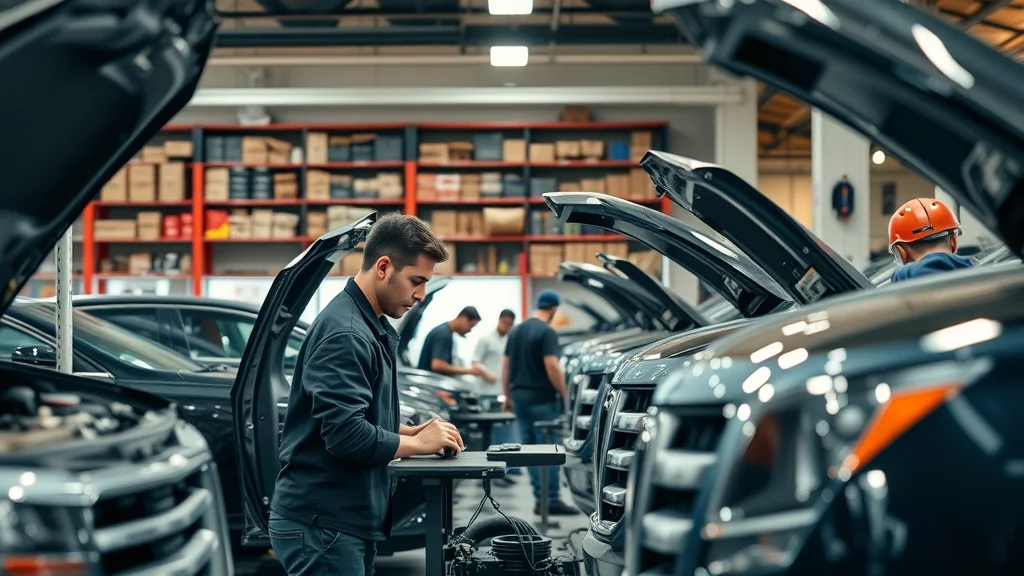
The integration of aftermarket parts and accessories into dealership sales and service operations is key to sustainable profitability. A well-stocked and efficiently managed parts department attracts repeat customers who prefer the convenience and trust of purchasing parts from their dealership.
Technicians rely on a mix of OEM and carefully selected aftermarket parts, creating upsell opportunities and enhancing customer satisfaction. When sales staff teams collaborate with parts and service departments, they can confidently recommend accessories and maintenance products suited to customer vehicles, fueling parts sales and aftermarket revenue growth.
When leveraged properly, aftermarket parts become a critical touchpoint, not only driving spare parts sales but also reinforcing customer relationships and long-term service retention.
Strategies for Car Dealers to Maximize Aftermarket Sales and Spare Parts Sales
Overcoming Common Challenges in Aftermarket Revenue Generation

Generating consistent aftermarket revenue faces obstacles, including customer skepticism, complex products, and dealer staff reluctance. Education and continuous training of sales and F&I teams are essential strategies for overcoming these challenges, enabling staff to present products confidently and transparently.
Dealerships adopting digital verification tools like Gather technology reduce fraud incidents, which historically jeopardized customer trust and product credibility. Transparency in pricing, benefits, and claim handling directly addresses customers’ negative preconceptions associated with aftermarket packages.
Dealer leadership must champion community engagement and mission-driven branding to position their dealerships as trusted local authorities. As Chris Weed insightfully remarks, “Dealers who involve their communities, emphasize transparency, and empower their staff will thrive amidst industry consolidation and changing consumer expectations.”
The Future Outlook: Trends Shaping Dealer Profitability and Aftermarket Products
Chris Weed predicts, “2026 will see an insurgence in the automobile aftermarket business as vehicles bought during COVID reach replacement age, creating new opportunities for dealer profitability.”
How Car Dealerships Can Adapt to Changing Market Conditions

The automotive industry is facing a pivotal moment as vehicles purchased during the COVID-19 pandemic enter their replacement cycle, promising a booming aftermarket market in 2026. Dealerships must adapt quickly by adopting innovative products and technologies that empower both dealers and customers to navigate this growth sustainably.
Chris Weed shares that the next wave of profitability will involve longer-term contracts (such as 5-year, 125,000-mile coverage) that fit the evolving financing timelines customers are utilizing. Dealers also need to reassess their reliance on traditional reinsurance arrangements and consider dealer-controlled programs that enhance margins and operational agility.
Investing in staff training, digital verification tools, and customer-first service philosophies will allow dealerships to capitalize on emerging trends, differentiate themselves, and secure profitability in a competitive market.
People Also Ask: Addressing Common Questions About Dealer Profitability and Aftermarket Products
- What is the most profitable part of a dealership? — The F&I office generating revenue through service contracts, GAP insurance, and aftermarket products is often the highest-margin segment.
- How much of a markup do dealers put on used cars? — Dealer markups vary but generally range from 10% to 20%, with aftermarket product sales offering even higher percentage margins.
- What do car dealers make the most money on? — Dealers earn the most profit from financing, insurance products, and aftermarket parts and services.
- Do dealers use aftermarket parts? — Yes, after market parts are widely used to provide customers with affordable alternatives and to boost dealership spare parts sales.
What You'll Learn: Key Takeaways for Enhancing Dealer Profitability with Aftermarket Products
| Key Insight | Actionable Strategy | Expected Outcome |
|---|---|---|
| Transparency builds customer trust | Implement clear communication on product benefits | Increased sales and repeat business |
| Self-insured service contracts | Offer dealer-controlled warranty programs | Higher profit margins and control |
| Technology adoption | Use identity verification tools like Gather | Reduced fraud and improved compliance |
| Community engagement | Involve dealership in local initiatives | Stronger brand loyalty and market position |
Conclusion: Empowering Car Dealers to Boost Profitability Through Transparency and Aftermarket Innovation
Dealerships embracing transparency, customer-focused products, and innovative control over service contracts position themselves for stronger profits and enduring customer relationships. Start integrating these proven strategies today to lead confidently into 2026 and beyond.
For more information visit: https://www.w-afs.com/ or call: 833-533-3600.





Write A Comment