
Introduction: The Critical Need for Auto Dealership Fraud Prevention
Fraud in the automotive sales industry isn't just a minor inconvenience—it’s a substantial challenge that can cause millions in losses each year. Recent studies reveal that hundreds of dealerships across the U.S. face fraudulent transactions regularly, leading to significant financial damage and reputational harm. In an era where auto financing is increasingly digital and consumer data is highly valuable, protecting both dealership interests and customer trust through effective auto dealership fraud prevention has never been more critical.
For car dealers, understanding the landscape of potential fraud risks and implementing cutting-edge verification technologies is essential to safeguarding inventory, financials, and customer relationships. This comprehensive guide takes a deep dive into proven strategies and the latest tools that empower dealerships to detect and prevent fraud before it causes damage.
Emphasizing a proactive approach, this article incorporates insights from industry veteran Chris Weed, founder of Wied Auto Finance Solutions, whose extensive experience in finance and dealership relations offers practical perspectives on combatting fraud effectively in today’s market.

What You'll Learn in This Guide
- Key strategies for preventing fraud in auto dealerships
- Understanding the red flag rules and their importance
- How identity verification and document authentication reduce fraud risk
- Expert insights from Chris Weed of Wied Auto Finance Solutions
- Common fraud schemes and how to detect them
- Practical tips for car dealers to implement fraud prevention measures
Understanding Fraud Risk in Auto Dealerships
The Role of Red Flags in Fraud Detection
Every dealership, whether selling new or used vehicles, faces the continual threat of fraudulent activity. The Federal Trade Commission (FTC) enforces the red flags rule to compel dealerships to implement effective identity verification procedures aimed at spotting potential fraud early. As Chris Weed of Wied Auto Finance Solutions emphasizes, The FTC red flags rule is that every dealership, whether new or used, must verify the identity of the customer. It's the law.
Red flags are warning signs such as mismatched personal information, suspicious payment methods, or forged documentation that alert dealerships to possible fraud attempts. Recognizing these red flags equips dealerships to take action before a fraudulent transaction is finalized, minimizing financial and reputational risks. Effective fraud prevention starts with training sales and finance teams to recognize these critical indicators and engage appropriate verification protocols.
Understanding the fraud risk landscape means acknowledging the sophistication of modern fraud techniques, including synthetic identities and identity theft, requiring dealerships to remain vigilant and constantly update their detection methods.
Identity Verification: The Cornerstone of Auto Dealership Fraud Prevention

Document Authentication and Its Impact
Authenticating identity documents such as driver's licenses and insurance cards is a vital step in thwarting fraud. Technological advancements now allow dealerships to scan and instantly verify document legitimacy, drastically reducing the chances of accepting forged or stolen identification. As dealerships adopt these tools, they ensure compliance with FTC regulations while fostering customer trust by enabling a seamless and secure buying experience.
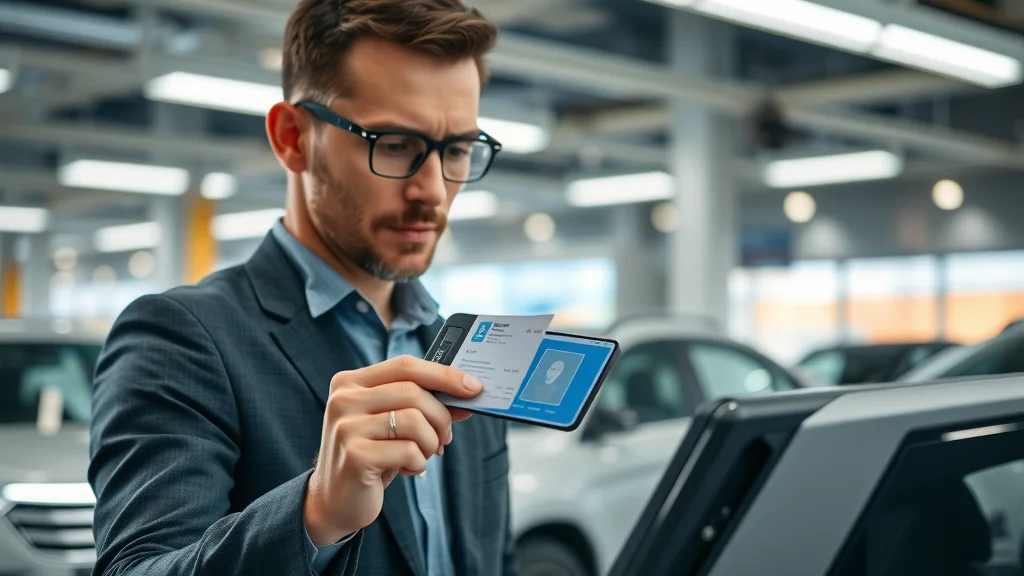
Chris Weed highlights the effectiveness of these technologies by sharing real-world successes: We had two incidents where Gather saved two Range Rovers at a Range Rover store in Fort Worth, Texas, by catching fraudsters in the act.
Such case studies underscore how identity verification software can protect high-value inventory and prevent losses related to sophisticated criminal schemes.
Leveraging Technology for Effective Fraud Prevention in Auto Dealerships
Case Study: Successful Fraud Prevention Using Gather Technology
Gather technology exemplifies modern fraud prevention by verifying customer identity against insurance information with just a few clicks, offering dealerships an efficient and robust way to detect fraud attempts. This seamless verification integrates into sales workflows, making it easier for dealerships to comply with regulatory requirements such as the FTC’s Red Flags Rule and Safeguard Rule related to personal identifiable information (PII).
By investing less than $3 per customer, dealerships can implement comprehensive verification that saves thousands of dollars in potential stolen vehicles and fraudulent financing. The technology's ability to identify suspicious activity early ensures that dealerships avoid common pitfalls associated with outdated or manual identity verification methods.
Common Fraud Schemes Targeting Auto Dealerships and How to Detect Them

Auto dealerships are often targeted by fraudsters employing tactics such as identity theft, fake insurance cards, and credit application fraud to obtain vehicles or financing under false pretenses. Detecting these schemes requires vigilance and comprehensive checks during the sales process. Employees trained to recognize suspicious behaviors and inconsistencies in documentation play a pivotal role in intercepting fraudulent activity.
One of the most concerning fraud types involves synthetic identities, where criminals assemble fake personas that can pass cursory checks but unravel under deeper scrutiny. Deploying technology solutions that cross-verify data points, such as insurance verification alongside identity checks, closes gaps exploited by fraudsters.
Best Practices for Auto Dealers to Prevent Fraud
- Implement mandatory identity verification for every customer using trusted digital tools.
- Use secure databases to protect personal identifiable information (PII) in compliance with federal regulations.
- Train staff thoroughly to recognize red flags and suspicious behaviors during customer interactions.
- Adopt transparent and straightforward service contracts that build customer trust and reduce disputes.
- Regularly update fraud prevention protocols and leverage technology advancements to stay ahead.

Addressing Common Questions: People Also Ask
What can I do if a dealership basically scammed me?
If you believe you have been scammed by a dealership, act quickly. Contact legal authorities, file a complaint with your state's attorney general or consumer protection agency, and gather all documentation including contracts and communications. You may also consult with an attorney specializing in consumer fraud or automotive law to explore your options for restitution.
How do car dealerships prevent theft?
Dealerships prevent theft through a mix of physical security measures such as alarms, surveillance cameras, and secure lots, combined with fraud prevention techniques including identity verification, credit checks, and surveillance during sales. Technology like electronic tracking of vehicle keys and databases also helps minimize theft risks.
Do dealerships put trackers on cars after purchase?
Some dealerships offer or install GPS trackers or telematics devices post-sale for financing or security reasons, but this varies widely. Customers should ask explicitly if any tracking devices are installed and understand the terms regarding their privacy and use. State laws may also regulate this practice.
What is a red flag in a car dealership?
A red flag in a dealership context is any indicator of potential fraud or suspicious activity, such as inconsistent personal information, irregular payment methods, or unusual behavior by a customer. Dealers use red flags to trigger additional verification steps to protect themselves and their customers.
Key Takeaways
- Auto dealership fraud prevention is essential to protect both dealers and customers.
- Compliance with red flags rules and identity verification laws is mandatory and reduces risk.
- Technology like Gather enhances fraud detection with efficient and effective verification processes.
- Transparency in contracts and thorough staff training empower dealerships to build trust and profitability.
- Proactive fraud prevention strengthens security, enabling safer transactions and stronger customer relationships.
Conclusion: Empowering Auto Dealers to Combat Fraud Effectively
Chris Weed concludes, "Dealers are tired of the games and funny business. They want real returns and profits by protecting their customers and themselves with effective fraud prevention."
Auto dealers ready to embrace robust verification technologies and clear, honest customer communication position themselves for lasting success in a challenging market.
Call to Action
For more information visit: https://www.w-afs.com/ and or call: 833-533-3600.





Write A Comment