
Add Row
Add Element
cropper
update
Wied Auto Finance Solutions
update
Add Element
  • Home
  • Categories
    • automatic on finance
    • automobile finance companies
    • automotive finance services
    • finance on vehicle
    • finance for auto
September 27.2025
2 Minutes Read

Car Pros' Back-to-School Drive Empowers Students with Essential Supplies

Car Pros Back-to-School Drive Donates School Supplies

Empowering Education: Car Pros' Remarkable Impact on Local Communities

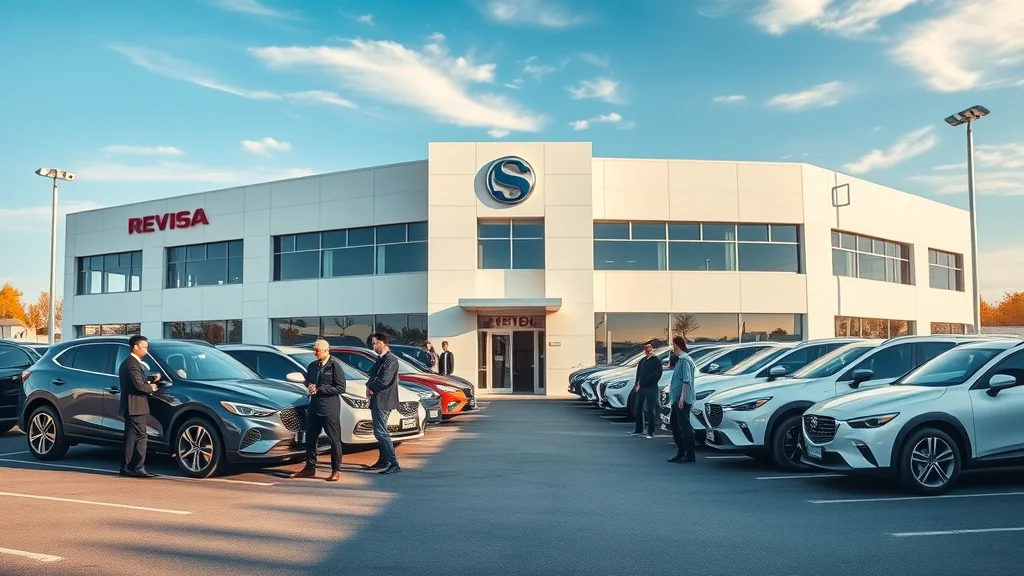
This September, Car Pros Automotive Group celebrated a significant achievement with its second annual Back-to-School Supply Drive, collecting an impressive 12,142 school supplies to support students in Southern California and Western Washington. The drive, which ran from August 1 to August 20, 2025, demonstrates the power of community collaboration as employees, customers, and local residents came together to fill their nine dealerships with essential educational supplies.

Growing Support: A Surge in Supplies Given

The response this year exceeded all expectations, with a 35% increase in donations compared to last year, which saw almost 9,000 items collected. Participants donated a range of essential items, including backpacks, binders, calculators, and notebooks—tools crucial for students to start the school year with confidence. Car Pros' initiative has not only alleviated some financial burdens on families but also played a vital role in addressing gaps left by budget cuts in local schools.

Making a Difference: Delivering Supplies to Those in Need

After the collection period ended, Car Pros employees personally delivered the donated supplies to various local schools and organizations. Among the recipients were Arlington Elementary and KidVantage NW in Washington, along with several schools in Southern California, including Aldama Elementary and the El Monte School District. These actions underline the commitment of Car Pros to connect with and uplift the community.

The Heart of Car Pros: Commitment to Community Giving

Matthew Phillips, CEO of Car Pros Automotive Group, emphasized the mission behind the company’s charitable efforts. In his words, "Supporting the communities we serve is core to our mission at Car Pros." The organization's community-focused initiatives, such as Thanksgiving food drives and holiday toy donations, highlight their ongoing commitment to positively impacting local lives.

Broader Impact: Car Pros Cares Leads the Charge

Through its philanthropic arm, Car Pros Cares, the automotive group has been dedicated to giving back since its inception. Car Pros Cares has contributed hundreds of thousands of dollars to nonprofits in the area, strengthening community ties and demonstrating effective corporate social responsibility. By steadily increasing its outreach and support, Car Pros sets an example for others in the industry.

Call to Action: Join the Movement for Community Support

Programs like the Car Pros Back-to-School Supply Drive not only support students but also inspire collective action within communities. If you’re interested in getting involved or learning more about such initiatives, visit our website for more information on how you can make a difference in your local area.

finance on vehicle

3 Views

0 Comments

Write A Comment

*
*
Please complete the captcha to submit your comment.
Related Posts All Posts
04.01.2026

Why Building Team Resilience is Key for Dealership Success in 2026

Update Understanding the Importance of Team Resilience in Dealerships In an ever-evolving automotive landscape, building a resilient team is crucial for dealerships looking to navigate challenges and ensure success. This resilience is not only about bouncing back from setbacks but also involves fostering a culture where each member can thrive and adapt to continuous changes. In 2026, with the automotive industry facing pressures such as fluctuating electric vehicle (EV) market demand, rising interest rates, and shifting consumer behaviors, the need for resilient teams has never been more important. Why Resilience Matters in 2026 As outlined in the Building Team Resilience initiative, real resilience is cultivated through clear communication, consistent habits, and inspired leadership. Josh Krach emphasizes that dealership teams must collaboratively address the hurdles presented by a challenging economic environment, helping ensure operational continuity. Resilient teams are better equipped to respond to market fluctuations, like the stabilizing demand for EVs and hybrids, which requires adaptability and keen insights into consumer preferences. Lessons from Thrusting Through Turbulence According to Thriving Through Turbulence, dealerships must focus on enhancing their operational adaptation strategies. As key factors such as affordability pressures emerge, teams with a strong foundation in resilience are vital. They will play a pivotal role in tasks like inventory management adjustments and implementing innovative customer service strategies, directly impacting dealership profitability. Effective Strategies for Building Resilience Establishing resilience isn’t just a buzzword—it's a necessity. Here are several actionable strategies that can help dealerships build a more resilient team: Training and Development: Continuous learning opportunities should be prioritized so teams understand market shifts and technological advancements.For instance, leveraging AI tools to streamline procedures can help staff remain efficient and focused on customer engagement amid industry changes. Clear Communication: Creating open channels for dialogue fosters trust and helps identify potential challenges promptly. Regular meetings can help teams align their goals with dealership strategies. Encouraging a Growth Mindset: Teams should be encouraged to embrace challenges as opportunities for personal and professional growth, which ultimately strengthens the organization's resilience. Real-World Examples of Resilient Dealerships Success stories abound for dealerships that have effectively implemented resilience strategies. For instance, dealerships focusing on hybrid vehicle offerings have enhanced training programs for their sales teams to inform customers about the benefits of this emerging technology. By pivoting their approach to inventory based on evolving consumer needs, these dealerships not only survive but thrive amidst market pressures. Building on Resilience: The Path Ahead As we move through 2026, it is imperative that dealership leadership invests in and nurtures their teams' resilience. With consumer preferences shifting towards hybrids and used vehicles, fostering a culture of adaptability will bring operational benefits and enhance customer relationships. This adaptability is key to creating value amidst economic uncertainties. Conclusion: Act Now to Secure Your Team’s Future In today’s challenging automotive market, leading with resilience is more than just an aspiration—it's a pathway to success. As dealerships face new challenges, now is the time to focus on building effective teams capable of adapting to changing circumstances. For more info on fostering team resilience and improving operational efficiency, visit W-AFS for insightful resources and strategies.

03.03.2026

Step Up Your Game: Prove Your F&I Skills at the 2026 EFI Conference!

Update Get Ready to Prove Your Skills at the 2026 EFI Conference! The 2026 Ethical F&I Managers Conference is gearing up to showcase the dynamic world of finance and insurance (F&I) through its engaging competition, “So You Think You Can Do F&I.” Set for April 13-15 at The Cosmopolitan in Las Vegas, this event promises to elevate the often underappreciated F&I sector in the automobile industry, emphasizing the critical role it plays in dealer profitability. Dealers, finance managers, and GMs will have an unprecedented opportunity to sharpen their skills and gain valuable insights through this unique format. The Contest that Highlights Real-World Skills This live role-play contest allows selected finalists to step into real-life F&I scenarios. Participants will face situations that include presentations, addressing objections, and managing disruptive customers—all situations commonly encountered in F&I offices. It’s not just a show; it's a practical examination of how effectively one can apply their skills in real time. The audience plays a pivotal role by voting for their favorite performances, adding an interactive layer that emphasizes engagement and competition. Why Participate? Unlocking Value Beyond Prizes Winners of the contest will take home substantial cash prizes—$5,000 for first place and descending amounts for subsequent positions. However, the true value is not just monetary. Participants will enjoy complimentary event registrations and exclusive invitations to VIP gatherings, fostering networking opportunities with industry leaders and peers that may prove invaluable in their careers. These interactions can lead to collaborations, mentorships, and insights into best practices in automotive finance services. Crafting Your Winning Video Application To enter the competition, interested attendees must submit a video application showcasing their skills within a five-minute demo. Utilizing a current deal menu, participants will script a mock presentation, effectively communicating F&I products without the pressure of a live customer. The guidelines specify that sound and video quality are not determining factors, focusing instead on the demonstration of practical knowledge and engagement skills with potential customers. Stay Ahead: Enhancing Compliance and Efficiency in Auto Financing Participation at conferences like EFI is crucial for maintaining compliance and advancing knowledge in an ever-evolving landscape. The reality is that the automotive finance industry is subject to rigorous regulations and changing expectations from consumers and lenders alike. Attending events like these provides insight into emerging trends and teaching best practices, equipping F&I managers to navigate compliance challenges and blend education with practical application. Inspiration from Past Events: A Track Record of Success Reflecting on previous EFI conferences, attendees have consistently reported tangible benefits post-event. From enhanced compliance practices to improved product presentations, the progression seen is aligned with the industry’s needs. Notably, workshops have provided detailed insights into lender requirements and effective communication strategies, two areas where dealerships can still seek improvement. Join the F&I Revolution! Whether you’re a seasoned F&I professional or new to the field, engaging in competitions and conferences like the EFI is a smart investment in your career. It empowers you to refine your approach, elevate your dealership’s performance, and ultimately drive sustainable profit. Seize the moment and submit your video application by March 9; don't miss out on this chance to shine!

02.09.2026

Building Dealer Profitability Through Transparency and Customer-Centric Aftermarket Products

Did you know that 2026 is poised to bring a significant surge in the automotive aftermarket business as vehicles purchased during the COVID-19 pandemic reach the end of their lifecycles? This unexpected growth opportunity demands that car dealerships rethink their strategy on dealer profitability aftermarket products Startling Industry Insight: The Growing Importance of Dealer Profitability and Aftermarket Products The automotive retail landscape is rapidly evolving, with many dealerships seeking dependable and sustainable revenue streams beyond vehicle sales. One of the most impactful ways to boost dealer profitability aftermarket products is through integrating aftermarket parts and service contracts tailored to customer needs. From extended warranties to identity theft protection, offering transparent and customer-centric products creates multiple touchpoints for additional dealership revenue. Chris Weed of Wied Auto Finance Solutions highlights, “We have seen tremendous growth potential by focusing on products that dealers don’t currently offer — effectively filling gaps without disrupting their existing operations.” This philosophy of supplementing dealership portfolios with innovative aftermarket solutions rather than replacing current offerings has proven fruitful, building trust both with dealers and customers alike. By leveraging existing dealer relationships and offering unique product mixes, dealerships can not only increase short-term profits but also nurture repeat service visits, which are crucial to long-term success in the parts and service departments. Understanding Dealer Profitability and Aftermarket Products in the Automotive Industry What Are Aftermarket Parts and Their Impact on Spare Parts Sales? Aftermarket parts refer to vehicle components and accessories not made by the original equipment manufacturer (OEM) but designed to fit or enhance the vehicle. These parts range from tires and batteries to specialty wheels and car care accessories. Spare parts sales represent a vital revenue stream that frequently outperforms new car sales margins, thanks to higher markups and ongoing maintenance needs. Integrating high-quality aftermarket parts alongside OEM components allows dealerships to capture a larger share of the spare parts sales market. These products complement regular maintenance offerings, enhancing customer convenience, and encouraging service department use. As vehicles on the road age— with many now averaging over 13 years — customers increasingly require affordable and reliable aftermarket options, driving consistent sales growth. Chris Weed notes, “We provide everything from identity theft products to comprehensive vehicle protection solutions, ensuring dealerships have access to the full spectrum of aftermarket products, allowing them to meet customer expectations across the board.” This holistic inventory approach supports both customer satisfaction and dealership profit maximization. The Role of Transparency in Enhancing Dealer Profitability How Transparency Builds Trust with Customers and Improves Aftermarket Revenue Transparency is the cornerstone of building dealer profitability aftermarket products success. Customers today demand clear, honest information about aftermarket offerings, including pricing, coverage, and claim processes. When dealers openly communicate these details, they foster trust, reduce buyer hesitation, and increase the likelihood of aftermarket package purchases. Transparency also extends internally within dealerships, encouraging collaboration between sales, finance, and service teams. This alignment ensures consistent messaging and product delivery, avoiding customer confusion and dissatisfaction. Chris Weed emphasizes, “We believe dealers should be empowered to offer self-insured vehicle service contracts, holding money and paying claims themselves. This control boosts profitability and reinforces dealer integrity with customers.” By offering simple, straightforward products that “do what they say and say what they do,” dealerships can repair the often-distrustful customer relationship common in the finance and insurance (F&I) office, turning aftermarket products into a positive customer experience rather than a last-minute sales push. Leveraging Aftermarket Products to Drive Dealership Profitability Key Aftermarket Products That Boost Dealer Profitability Chris Weed explains, “We offer programs where dealers can build their own vehicle service contracts, holding the money and paying claims themselves, which gives them full control and better profitability.” Among the various dealer profitability aftermarket products, vehicle service contracts (VSCs) represent a substantial profit center. Traditional reinsurance models, where dealerships essentially outsource risk and control, often entail high fees and limited flexibility. Chris Weed advocates a shift towards dealer-controlled, self-insured contracts that allow dealerships to handle claims directly — a lucrative shift enhancing margins and customer loyalty. Besides VSCs, dealers leverage GAP insurance, tire and wheel protection, and identity theft protection to diversify their offerings. Technology plays a critical role in introducing products like gather technology for identity and insurance verification, which reduces fraud and compliance risk while enhancing product value. This suite of aftermarket products enriches dealership revenue streams, enabling dealerships to capture more value throughout the vehicle ownership lifecycle. Integrating Aftermarket Parts and Accessories for Enhanced Parts Sales The integration of aftermarket parts and accessories into dealership sales and service operations is key to sustainable profitability. A well-stocked and efficiently managed parts department attracts repeat customers who prefer the convenience and trust of purchasing parts from their dealership. Technicians rely on a mix of OEM and carefully selected aftermarket parts, creating upsell opportunities and enhancing customer satisfaction. When sales staff teams collaborate with parts and service departments, they can confidently recommend accessories and maintenance products suited to customer vehicles, fueling parts sales and aftermarket revenue growth. When leveraged properly, aftermarket parts become a critical touchpoint, not only driving spare parts sales but also reinforcing customer relationships and long-term service retention. Strategies for Car Dealers to Maximize Aftermarket Sales and Spare Parts Sales Overcoming Common Challenges in Aftermarket Revenue Generation Generating consistent aftermarket revenue faces obstacles, including customer skepticism, complex products, and dealer staff reluctance. Education and continuous training of sales and F&I teams are essential strategies for overcoming these challenges, enabling staff to present products confidently and transparently. Dealerships adopting digital verification tools like Gather technology reduce fraud incidents, which historically jeopardized customer trust and product credibility. Transparency in pricing, benefits, and claim handling directly addresses customers’ negative preconceptions associated with aftermarket packages. Dealer leadership must champion community engagement and mission-driven branding to position their dealerships as trusted local authorities. As Chris Weed insightfully remarks, “Dealers who involve their communities, emphasize transparency, and empower their staff will thrive amidst industry consolidation and changing consumer expectations.” The Future Outlook: Trends Shaping Dealer Profitability and Aftermarket Products Chris Weed predicts, “2026 will see an insurgence in the automobile aftermarket business as vehicles bought during COVID reach replacement age, creating new opportunities for dealer profitability.” How Car Dealerships Can Adapt to Changing Market Conditions The automotive industry is facing a pivotal moment as vehicles purchased during the COVID-19 pandemic enter their replacement cycle, promising a booming aftermarket market in 2026. Dealerships must adapt quickly by adopting innovative products and technologies that empower both dealers and customers to navigate this growth sustainably. Chris Weed shares that the next wave of profitability will involve longer-term contracts (such as 5-year, 125,000-mile coverage) that fit the evolving financing timelines customers are utilizing. Dealers also need to reassess their reliance on traditional reinsurance arrangements and consider dealer-controlled programs that enhance margins and operational agility. Investing in staff training, digital verification tools, and customer-first service philosophies will allow dealerships to capitalize on emerging trends, differentiate themselves, and secure profitability in a competitive market. People Also Ask: Addressing Common Questions About Dealer Profitability and Aftermarket Products What is the most profitable part of a dealership? — The F&I office generating revenue through service contracts, GAP insurance, and aftermarket products is often the highest-margin segment. How much of a markup do dealers put on used cars? — Dealer markups vary but generally range from 10% to 20%, with aftermarket product sales offering even higher percentage margins. What do car dealers make the most money on? — Dealers earn the most profit from financing, insurance products, and aftermarket parts and services. Do dealers use aftermarket parts? — Yes, after market parts are widely used to provide customers with affordable alternatives and to boost dealership spare parts sales. What You'll Learn: Key Takeaways for Enhancing Dealer Profitability with Aftermarket Products Key Insight Actionable Strategy Expected Outcome Transparency builds customer trust Implement clear communication on product benefits Increased sales and repeat business Self-insured service contracts Offer dealer-controlled warranty programs Higher profit margins and control Technology adoption Use identity verification tools like Gather Reduced fraud and improved compliance Community engagement Involve dealership in local initiatives Stronger brand loyalty and market position Conclusion: Empowering Car Dealers to Boost Profitability Through Transparency and Aftermarket Innovation Dealerships embracing transparency, customer-focused products, and innovative control over service contracts position themselves for stronger profits and enduring customer relationships. Start integrating these proven strategies today to lead confidently into 2026 and beyond. For more information visit: https://www.w-afs.com/ or call: 833-533-3600. Sources Wied Auto Finance Solutions Automotive News

Terms of Service

Privacy Policy

Core Modal Title

Sorry, no results found

You Might Find These Articles Interesting

T
Please Check Your Email
We Will Be Following Up Shortly
*
*
*