
Add Row
Add Element
cropper
update
Wied Auto Finance Solutions
update
Add Element
  • Home
  • Categories
    • automatic on finance
    • automobile finance companies
    • automotive finance services
    • finance on vehicle
    • finance for auto
April 02.2026
1 Minute Read

Comprehensive Gap Insurance Benefits: What Every Auto Dealer Needs to Know to Enhance Customer Confidence

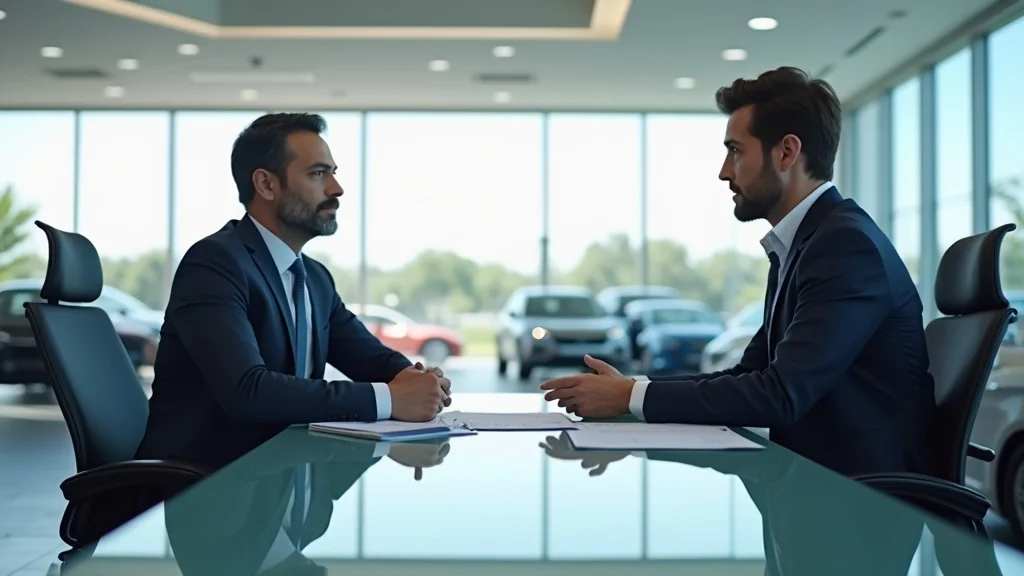
Gap insurance benefits in a modern auto dealership with finance manager advising customer across a glass desk

Chris Wied’s Expert Insight: Why Gap Insurance Benefits Are More Than a Cost

"The perception is that gap insurance is expensive, but really, it’s about the immense value it offers—especially protecting investments when loans exceed vehicle value." – Chris Wied, Wied Auto Finance Solutions

In today’s automotive retail environment, gap insurance benefits are often sensationalized as costly add-ons. According to Chris Wied of Wied Auto Finance Solutions, this perception not only clouds the real potential of gap coverage but also blinds both automotive dealership owners and their customers to the strategic value behind the product. Drawing from decades of experience in auto finance and protection solutions, Wied urges dealers to look beyond price tags and focus on the lifelong trust, satisfaction, and confidence these policies can foster with their buyers.

When dealership teams demystify the true purpose of gap insurance for their clients, they unlock more than just incremental revenue—they cultivate relationships built on protection and peace of mind. Wied’s expert perspective is clear: when loans routinely exceed the value of financed vehicles, the safety net of gap insurance becomes indispensable, transforming customer vulnerabilities into lasting loyalty and dealership credibility.

Breaking Down the Misconception: Understanding the True Cost vs. Value

Automotive finance advisor highlighting gap insurance cost savings benefits with customer in a modern office

Let’s dismantle the number one misconception: that gap insurance benefits come with a hefty, unjustified price. Wied explains that this view emerges because customers notice the broad protection gap insurance provides—it’s a benefit so valuable that they assume it must cost a fortune. However, for most buyers, especially those financing at 100% to 110% of their vehicle’s value, the true “expense” is the risk of leaving themselves exposed to serious financial shortfall if the car is ever totaled or stolen.

Addressing this concern, Wied recommends that finance managers and sales directors focus their conversations on the ‘cost versus value’ equation. By helping customers and dealership leadership understand that gap insurance often represents just a few additional dollars per monthly payment, but can save thousands in the event of a total loss, dealerships can recast the product not as a burdensome cost, but as a prudent financial backbone. According to Wied, financial literacy is a dealership’s strongest sales tool: “When buyers grasp the actual numbers—how gap insurance fills the gap left by standard auto coverage—they see value, not just cost. ”

Protecting Non-Prime Buyers: A Critical Role for Gap Insurance Benefits

"Most non-prime buyers walk out financing 100 to 110% of their vehicle’s worth. Gap insurance safeguards their investment, ensuring the car is fully paid off in any loss scenario." – Chris Wied, Wied Auto Finance Solutions

According to Chris Wied, ignoring the needs of non-prime buyers is one of the biggest pitfalls an auto dealership can make. In today’s credit climate, a significant portion of buyers fall into “non-prime” categories, meaning that they are approved for larger loans relative to the actual value of their vehicle. This advanced risk scenario underscores the necessity of robust gap insurance benefits. Wied highlights practical realities: “When loans exceed the car’s market value, the customer’s entire investment is vulnerable. ” It’s precisely here that gap insurance moves from a “nice-to-have” to a critical line of defense—ensuring no customer is left battling an outstanding loan balance after an accident or theft.

For dealer principals and finance managers, presenting gap insurance as an essential—not optional—part of the protection package is a powerful differentiator, especially when serving the non-prime segment. Wied’s expertise shows that their loyalty to the dealership deepens when they feel their livelihoods and financial futures are being actively protected through such foresight. This is why gap coverage is not just an add-on, but a vehicle for customer advocacy and dealership growth.

Why Dealerships Must Prioritize Presenting Gap Insurance Benefits

  1. Protect customers from paying a deficit in total loss or theft.

  2. Builds peace of mind that enhances customer loyalty.

  3. Strengthens dealership reputation through comprehensive care.

Dealership customers gaining peace of mind from gap insurance benefits, shaking hands with a sales professional in showroom

"Gap insurance gives customers peace of mind; they don’t worry about financial gaps if their car is stolen or totaled." – Chris Wied, Wied Auto Finance Solutions

As Wied emphasizes, making gap insurance a regular feature in every auto finance conversation brings enormous value both for customers and the dealership itself. A total loss or theft event, which happens more often than customers realize, can leave buyers facing thousands of dollars in out-of-pocket costs if they don’t have adequate protection. By including gap insurance benefits in every presentation, dealerships not only protect buyers from deficit payments but also significantly boost their own reputation for comprehensive, customer-first service.

This culture of transparency is what truly builds peace of mind. When clients recognize that the dealership is advocating for their interests—offering coverage that goes beyond the basics—they become more likely to develop long-term loyalty. Wied’s insight is simple but transformative: By consistently prioritizing the right protection, dealerships future-proof both their customers and their own reputations.

Practical Strategies: How Dealers Can Effectively Communicate Gap Insurance Benefits

Consistent Presentation: The Key to Customer Awareness and Uptake

"Always present gap insurance when you present other financial products—it’s about consistent communication to fully inform customers." – Chris Wied, Wied Auto Finance Solutions

  • Include gap insurance in every sales and finance discussion.

  • Highlight real-world scenarios where gap insurance saved customers money.

  • Train sales and finance teams on articulating benefits clearly.
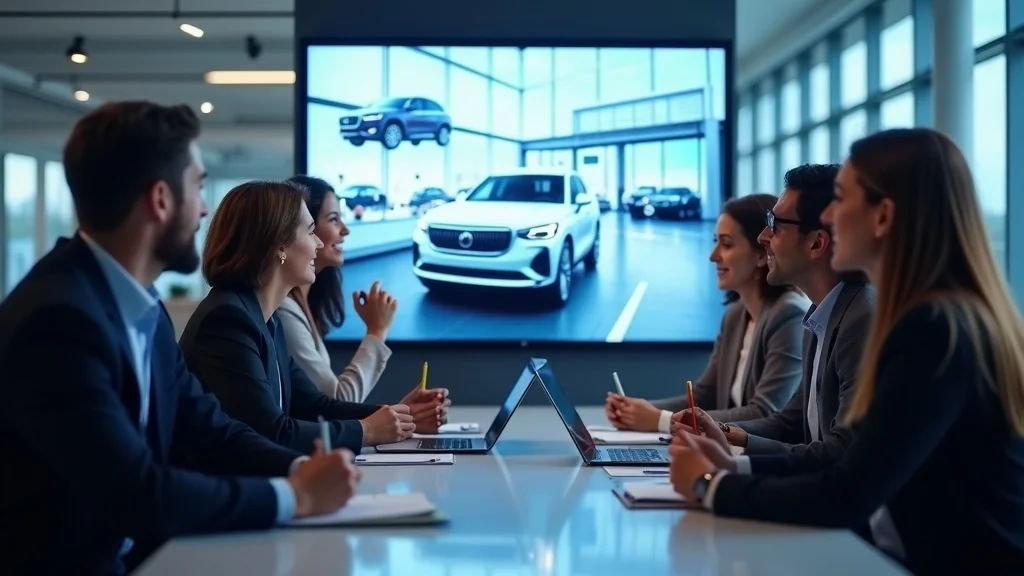
Dealership sales and finance team receiving gap insurance benefits training in a modern, automotive-themed setting

According to Chris Wied, the secret to high gap insurance benefits adoption lies in unwavering consistency. Every dealership interaction, from the showroom floor to final signatures in the finance office, must reinforce gap coverage as a standard part of the protection conversation. Training is paramount: When dealership teams are equipped to clearly articulate both the financial and emotional benefits, they engage customers at a much deeper level.

Wied further recommends using vivid client success stories—real scenarios where gap insurance made all the difference for a customer. By personalizing these stories and making them part of standard training, dealerships empower their teams to build trust and resonate with buyers’ real-life concerns. Regular review sessions, collaborative feedback, and ongoing education ensure that every sales and finance professional remains both knowledgeable and passionate advocates of comprehensive auto protection.

Key Takeaways for Automotive Dealership Owners and Finance Managers

  • Address the ‘expensive’ misconception by emphasizing value.

  • Focus on non-prime buyer protection—critical for customer confidence.

  • Ensure gap insurance is a consistent part of product offerings.

  • Use client success stories to demonstrate real benefits.

Amplifying Customer Confidence through Gap Insurance Benefits

Happy dealership customer celebrating gap insurance benefits by their new car outside a modern showroom

For dealer principals and finance managers, the path to maximizing customer confidence is paved with protection. As Wied’s deep experience at Wied Auto Finance Solutions shows, dealerships that champion gap insurance benefits position themselves as true partners—protecting buyers from post-sale shocks and proving that their customer experience goes well beyond the handshake. This trust drives sales, repeat business, and glowing referrals.

The takeaway is unmistakable: proactively advocating for gap insurance amplifies confidence on all sides. The result is a more secure, satisfied clientele and a dealership with an unrivaled reputation for putting its customers’ best interests first, every time.

Aspect

Benefit for Customers

Benefit for Dealers

Financial Protection

Covers loan balance excess after insurance payout

Reduces customer financial risk concerns

Peace of Mind

Alleviates stress after total loss/theft

Builds trust and loyalty

Loan Coverage for Non-Prime Buyers

Prevents out-of-pocket loss on upside-down loans

Expands financing options and sales

Additional Resources and Contact Information

Trusted advisor explaining gap insurance benefits and resources to dealership manager in a professional office
  • Visit Wied Auto Finance Solutions for tailored gap insurance products

  • Consult with WAFS experts to integrate gap insurance benefits into your dealership’s offerings

Ready to take the next step in safeguarding your customers and enhancing your dealership’s reputation? Chris Wied emphasizes that comprehensive protection begins with starting the right conversation at the right moment—every time. Don’t let misconceptions keep your team from delivering true value and confidence.

Contact Wied Auto Finance Solutions today via their website or call 833-533-3600 and discover how integrating gap insurance benefits into your dealership’s offerings can drive customer satisfaction, retention, and dealership growth in 2026 and beyond.

finance for auto

0 Views

0 Comments

Write A Comment

*
*
Please complete the captcha to submit your comment.
Related Posts All Posts
04.02.2026

One of the Earliest U.S. Auto Dealers Exits: What This Means for Car Dealers

Update Transitioning Legacy: The Story of Eich Motor Co. In a poignant chapter for one of the U.S.'s oldest car dealerships, the Eich family has officially exited the business after serving the St. Cloud community for over a century. Founded in 1898 by A.A. Eich, this dealership began with humble beginnings, trading Studebaker wagons and gradually evolving into a multi-franchise automotive hub. Over the years, the business adapted to changing tastes and market dynamics, securing Volkswagen franchises in 1960 and Mazda in 1977 during a turbulent energy crisis. A Historical Significance in Auto Retail While Eich Motor Co. has the distinction of being one of the oldest dealerships in the nation, its impact extends beyond just sales. It tells a story of resilience, illustrating how family-run businesses have had to pivot to remain competitive. With the sale of its Mazda and Volkswagen branches to Luther Automotive, a larger auto group established in 1952, the legacy continues, albeit in a different form. Luther Automotive will uphold the dealership names, maintaining a connection to the legacy while integrating it into its expansive operation across multiple states. The Future of the Automotive Landscape The consolidation of dealerships like Eich Motor Co. highlights a significant trend in the automotive industry where smaller, family-owned businesses are increasingly being absorbed by larger groups. This trend not only reflects changing market conditions, largely influenced by digital advancements and shifting consumer preferences but also raises a question about community-focused service versus corporate efficiency. As larger auto groups take the reins, how will this affect customer relationships and service quality in the regions they serve? Adapting to Market Dynamics The decision by Linda Eich-Desjardins not to pass the business to the next generation underscores a broader dilemma faced by family-run businesses: the challenge of succession planning. According to industry analyses, nearly 70% of family businesses do not make it to the second generation, largely due to inadequate preparations for leadership transitions. As we analyze this sale, it serves as a case study for other family-owned businesses seeking sustainability and success amid evolving market realities. Why This Matters to Auto Dealerships Today For current auto dealership principals, general managers, and finance and insurance managers, the Eich Motors sale serves as a reminder of the importance of innovation, adaptability, and strategic planning. Emphasizing the need for robust operational strategies, the sale correlates with the broader dynamics of finance for auto dealerships. Establishing partnerships with leading automobile finance companies and investing in advanced automotive finance services can lead to more sustainable business models. Call to Action: Embracing Change as the New Normal As the automotive industry continues to evolve, staying informed about market trends is essential for success. Understand the implications of industry consolidation and explore innovative strategies for your own dealership. Consider how you can develop robust finance models that cater to today’s consumer preferences. It’s time for dealership leaders to gear up for the future by leveraging insights and being proactive in their approach.

04.01.2026

How to Curb Confusion in Auto Financing for Better Sales

Update Understanding the Car Buying JourneyPurchasing a vehicle is a significant financial commitment for most individuals, often ranking as their second-largest expense after housing. Yet, this process can be bewildering due to overwhelming industry jargon and complex financing options. As consumers navigate the car-buying landscape, their desire for clarity becomes paramount. Finance and Insurance (F&I) managers must prioritize transparent communication to ensure that customers feel informed and empowered in their purchasing decisions.Why Simplifying Language MattersThe automotive sector is notorious for its specialized language that can alienate potential buyers. As highlighted by industry thought leaders like Rick McCormick, using clear and relatable terms can make a world of difference. A simple shift from terms like 'Environmental Protection Package' to 'Interior and Exterior Care Plan' not only removes confusion but also builds trust. Customers appreciate straightforward explanations and are more inclined to make a purchase when they comprehend the value of the product.The Importance of Reducing ChoicesOffering too many choices can leave customers feeling paralyzed. Research confirms that too many options can lead to indecision and frustration, resulting in potential sales being lost. Instead, F&I managers should streamline their offerings, focusing on the products that best meet customer needs. This minimalistic approach not only simplifies the purchasing journey but also enhances customer satisfaction. By guiding consumers through fewer, well-defined choices, F&I managers foster a sense of confidence, leading to more successful closes.Utilizing Data to Gain TrustToday’s consumers are equipped with smartphones that allow them to fact-check information in real-time. Therefore, transparency supported by data is essential. Concrete evidence—like repair orders and documented claims—serves to validate claims made by finance managers. When customers see substantiated data alongside their options, their trust in the business grows. To build this trust efficiently, F&I managers must share tangible examples that resonate with buyer experiences, thereby reducing skepticism about the proposals being presented.Elevating Customer Engagement with Visual AidsVisual tools can significantly enhance customer understanding. Utilizing straightforward cost charts or printed guides that break down financing options and potential risks associated with different coverage can demystify complex concepts. Customers will likely have a clearer perception of the financial implications of their decisions, making it easier for them to see the value in protection offerings. This approach not only clarifies the options but also makes the buying process feel more engaging and less transactional.Future Trends in Auto FinancingAs the industry evolves, new challenges and opportunities present themselves. A driving force behind these changes is the demand for digital-first solutions. Research indicates that nearly half of financial institutions recognize the need to pivot towards digital services. Automating processes related to customer interactions can enhance operational efficiency while concurrently boosting client satisfaction. With changing consumer behaviors expecting seamless digital experiences, those F&I managers who adapt to these trends will thrive, ultimately capturing more market share.Empowering Customers Through KnowledgeTo provide exceptional customer service, F&I managers must empower their customers by equipping them with necessary knowledge and tools that facilitate informed decisions. A proactive approach to engage with customers, striving for simplicity and transparency, will not only result in enhancing overall customer experience but will also increase loyalty and referrals. By transcending traditional sales tactics and focusing on genuine customer care, the automotive finance sector can cultivate stronger, trust-based relationships that endure beyond the point of sale.

03.31.2026

Electrified Vehicles Surge in EU Market: What It Means for You

Update Rise of Electrified Vehicles in Europe As traditional gas and diesel vehicles continue to decline in popularity across Europe, hybrids and electric vehicles (EVs) are swiftly gaining traction. In recent months, hybrids have taken the lead as the most popular powertrain among new vehicles, with gas and diesel registrations falling sharply due to evolving consumer preferences and economic pressures. Market Trends and Insights According to the European Automobile Manufacturers’ Association (ACEA), new vehicle registrations across the EU witnessed a modest decline of 1% year-over-year in February. While this drop is less severe than January's 4% decrease, it underscores a significant shift in the automotive landscape. Hybrids, capturing a dominant 39% of the market share, are outpacing both battery-electric and fuel-driven options. The battery-electric vehicles' market share has also seen growth, climbing to approximately 19% compared to just 15% last year. This uptick suggests a growing acceptance of electrification among European consumers. The Impact of Global Events on Trends With geopolitical tensions, such as the ongoing U.S.-Israel conflict impacting global oil prices, the urgency of transitioning to electrified vehicles becomes more pronounced. The ACEA's insights reveal that gas vehicle sales experienced a dramatic 23% decrease, with notable drop-offs in countries like France, which recorded an astonishing 49% decline in gas registrations. Such trends indicate that consumers are increasingly drawn to more sustainable options in light of fluctuating fuel costs. The Future of Automotive Technology Plug-in hybrids (PHEVs) have seen a noticeable rise in interest, holding about 10% of the market share, an increase from 7% last year. ACEA emphasizes a technology-neutral approach to decarbonization, which may open the door for diverse automotive solutions. This encompasses not only fully electric vehicles but also vehicles that leverage hybrid technology to lower emissions and enhance fuel efficiency. Challenges Ahead: Embracing Change in Consumer Behavior While the electrification of vehicles presents an optimistic future for many, there are inherent challenges. Factors such as charging infrastructure, battery production capacity, and the higher upfront costs associated with EVs continue to pose barriers to widespread adoption. However, with increasing financial services geared toward supporting consumers in financing these vehicles, manufacturers and lenders are adapting to provide better options. Companies focused on automotive finance services are emerging to meet the demands of this evolving market. Conclusion: Preparing for a New Automotive Era The rise of electrified vehicles signals a substantial shift in the automotive industry. As consumers lean towards hybrids and electric options, it's essential for stakeholders—including manufacturers, policymakers, and finance companies—to evolve alongside these trends. For more information on navigating financing options for electric and hybrid vehicles, visit our platform to explore various automobile finance companies and their offerings. Understanding these changes not only enhances your decision-making but also prepares you for the future of driving in Europe.

Terms of Service

Privacy Policy

Core Modal Title

Sorry, no results found

You Might Find These Articles Interesting

T
Please Check Your Email
We Will Be Following Up Shortly
*
*
*