
Add Row
Add Element
cropper
update
Wied Auto Finance Solutions
update
Add Element
  • Home
  • Categories
    • automatic on finance
    • automobile finance companies
    • automotive finance services
    • finance on vehicle
    • finance for auto
January 19.2026
1 Minute Read

Industry Leaders Discuss the Role of Technology in Combating Dealership Fraud

Did you know that dealership fraud incidents have surged dramatically over recent years, costing auto dealers millions annually? This alarming trend has driven the rapid adoption of advanced dealership fraud technology designed to protect both dealers and customers

Infographic illustrating rise of dealership fraud incidents over time in auto dealerships

Overview of Dealership Fraud Technology and Its Importance in Auto Dealers' Sales Process

  • Definition of dealership fraud technology
  • Common types of dealership fraud and ID fraud challenges
  • Why auto dealers must prioritize fraud prevention

Dealership fraud technology involves specialized software and systems implemented at auto dealerships to detect, prevent, and manage fraudulent activities that jeopardize dealer operations and customer safety. These technologies focus primarily on identifying fraud types such as identity theft, credit washing, and falsified insurance information — issues that have become more prevalent with digital applications and online sales processes.

Auto dealers face persistent challenges related to id fraud because fraudsters increasingly employ synthetic identities and false documents to exploit dealership financing processes. This results not only in financial loss but also damages customer data security and dealer reputation. Hence, adopting comprehensive dealership fraud technology is no longer optional — it is essential for maintaining business integrity in today’s competitive automotive industry.

Chris Weed, of Wied Auto Finance Solutions, explains, Gather technology allows dealerships to verify identity and auto insurance with just a few clicks, significantly reducing fraud risk and protecting customer data. This practical, efficient approach underscores why dealerships that stay ahead of fraud trends gain a strategic edge in safeguarding their assets and customers alike.

The Impact of Fraud Risks on Car Dealers and Customer Data Security

Fraud risks in dealerships affect more than just immediate financial outcomes; they jeopardize customer information, leading to data breaches and legal liabilities. Unauthorized access or misuse of personal data such as social security numbers, insurance details, and credit applications can lead to prolonged damage and costly regulatory penalties.

Car dealers who neglect fraud prevention technologies risk both internal losses and consumer distrust. With regulatory mandates such as the Federal Trade Commission’s Red Flags Rule, dealers must implement identity verification measures to detect suspicious activity early. Failure to comply can mean severe fines and loss of customer confidence.

Chris Weed emphasizes, Dealers are growing tired of the games, they want real returns and profits. Embracing dealership fraud technology is key to achieving that in 2026 and beyond.

Identity Verification: The Cornerstone of Fraud Prevention in Dealerships

  • How identity verification combats ID fraud and credit washing
  • The role of red flag rules and safeguard regulations
  • Technologies like Gather and Clear enhancing verification processes

Identity verification is the first line of defense in combating severe challenges like identity theft and credit washing where fraudsters attempt to manipulate borrower information to illegally obtain vehicle financing. By confirming a customer's identity at the earliest stage, dealerships reduce risks associated with fraudulent applications and protect their financial interests.

The red flag rules mandated by the Federal Trade Commission require every dealership, new or used, to verify customer identities during transactions. These rules, combined with safeguard regulations ensuring personal identifiable information (PII) is secured, constitute a framework that dealers must follow to reduce fraud and comply legally.

Innovations such as Gather technology allow dealers to verify identities swiftly using just three clicks: a selfie, a driver’s license photo, and an insurance card image. This streamlined process aligns with modern consumer expectations for speed and security. Additionally, integration with services like Clear—known for airport security verification—brings a proven, high-security layer to auto dealership operations, further enhancing fraud protection.
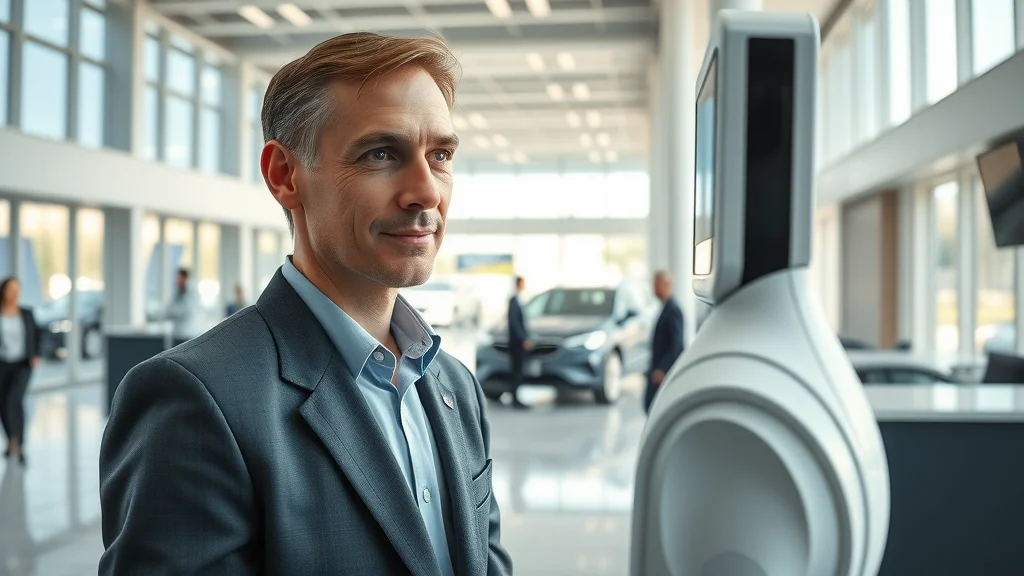
Modern auto dealership lobby showing customer using face-scan kiosk for identity verification to prevent fraud

Red Flag Indicators and Their Role in Detecting Potential Fraud

Red Flag Indicator Description Prevention Strategy
Mismatch in identification documents Discrepancies between ID photos and customer appearance or inconsistent personal info Use facial recognition tech and manual verification checks
High-risk credit application patterns Multiple applications with altered financial info or suspicious references Implement credit fraud detection software and validate references thoroughly
Suspicious insurance information Invalid or unverifiable insurance policies submitted during financing Integrate insurance verification tools like Gather to confirm coverage authenticity
Unusual buying behaviors Customers requesting unusual financing terms or paying with uncommon payment methods Train sales teams to recognize and report anomalies for further investigation

Compliance officer analyzing digital red flag alerts on tablet to detect dealership fraud

Integrating Fraud Detection Tools into the Auto Dealers' Sales Process

  • Step-by-step integration of fraud protect technologies
  • Benefits of seamless fraud detection for sales teams
  • How fraud prevention improves customer trust and satisfaction

Integrating dealership fraud technology into the auto dealer’s sales workflow requires a deliberate, stepwise approach. Dealers start by selecting verification platforms such as Gather and Clear, then training their sales and finance teams to use these tools during customer onboarding. The process involves incorporating identity checks early — when a customer submits a credit application — reducing fraud attempts before they reach advanced stages.

This seamless integration benefits sales teams by enabling faster deal approvals while minimizing fraud disruptions. Moreover, customers feel more secure when dealerships demonstrate transparent and proactive measures to protect personal information. Such transparency strengthens dealer-customer relationships, driving loyalty and enhancing repeat business.

Larry, host of the Big Idea podcast, notes, Dealers who invest in dealership fraud technology not only protect their assets but also build stronger relationships with customers through transparency and trust. This insight reflects the growing recognition that fraud prevention and exceptional customer experience go hand-in-hand.

Common Fraud Risks Faced by Auto Dealers and How Technology Mitigates Them

  • Credit report manipulation and credit washing
  • Identity theft and fraudulent applications
  • Insurance verification fraud

Auto dealers are increasingly targeted by sophisticated fraud schemes. Credit washing involves criminals manipulating credit reports to hide poor histories and improve loan eligibility fraudulently. Identity theft fraudsters use stolen or synthetic identities to obtain vehicles and loans without intent to repay. Additionally, fraudulent insurance submissions jeopardize both dealers and lenders by masking risks.

Deploying advanced dealership fraud technology addresses these risks systematically. Identity verification platforms detect fake identities upfront, while credit monitoring tools expose suspicious modifications in borrower reports. Automated insurance verification ensures that submitted policies are valid and current, preventing fraud-linked defaults. By mitigating these risks, dealers safeguard their bottom line and maintain operational efficiency.

Car salesman showing customers secure digital verification on a tablet to prevent dealership fraud

What You'll Learn: Key Takeaways on Dealership Fraud Technology

  1. The critical role of identity verification in fraud prevention
  2. How dealership fraud technology integrates into the sales process
  3. The importance of transparency and compliance with red flag rules
  4. Practical steps for auto dealers to protect customer data and reduce fraud risk

Sales team training on dealership fraud technology and fraud prevention software in a modern dealership

People Also Ask: Addressing Common Questions on Dealership Fraud Technology

  • What is a red flag in a dealership? A red flag is an indicator of potential fraudulent activity, such as inconsistent customer information or suspicious credit applications, used to trigger further investigation.
  • What is the 10/80-10 rule in fraud? This rule relates to risk management in fraud detection, indicating that 10% of cases account for 80% of fraud losses, focusing efforts on this critical segment.
  • What car dealership software was hacked? In recent years, some dealership management systems and customer databases have been targeted by cyberattacks, emphasizing the need for robust fraud and data security technologies.
  • How do you know if a dealership is scamming you? Signs include unclear fees, pressured sales tactics, unverifiable contracts, and insistence on unnecessary add-ons; using dealerships with strong fraud prevention practices helps avoid scams.

Customer consulting with dealership fraud specialist reviewing digital security measures in a lounge

Conclusion: Embracing Dealership Fraud Technology for a Secure and Profitable Future

Chris Weed emphasizes, Dealers tired of the games want real returns and profits. Embracing dealership fraud technology is key to achieving that in 2026 and beyond. Auto dealers who adopt these technologies will protect their operations, build trust, and enhance profitability in a competitive market.

Call to Action

  • For more information visit: https://www.w-afs.com/
  • Or call: 833-533-3600

Sources

  • Wied Auto Finance Solutions Official Website
  • Federal Trade Commission Red Flags Rule Overview
  • Gather Technology Identity Verification
  • Clear Identity Verification Services
  • Automotive Industry Fraud Technology Trends
finance on vehicle

0 Views

0 Comments

Write A Comment

*
*
Related Posts All Posts
01.19.2026

Expert Insights: How Dealer-Owned Warranty Programs Are Revolutionizing F&I

Did you know that dealerships adopting dealer-owned warranty companies are now retaining far greater profitability on service contracts, reshaping the traditional F&I landscape? In this article, we delve into dealer-owned warranty expert insights shared by industry leader Chris Weed of Wied Auto Finance Solutions Startling Industry Trends Driving the Rise of Dealer-Owned Warranty Programs The automotive industry is witnessing a seismic shift in how dealerships handle F&I products, especially in the realm of warranty coverage. According to Chris Weed, "Dealers are tired of the games and funny business; they want real returns and profits by controlling their own warranty programs through dealer-owned warranty companies." This candid remark reflects the growing dealer dissatisfaction with traditional reinsurance models, plagued by opaque administration fees and limited contract flexibility. Many dealers currently operate under reinsurer-controlled programs that restrict contract terms and diminish profitability on service contracts. Post-pandemic market conditions have intensified this trend. Vehicles bought during the 2020 COVID era are now aging, resulting in extended ownership cycles averaging 13 years nationally. Dealerships recognize that the traditional 2-3 year warranty contracts no longer meet consumer needs, especially as financing terms stretch out to 72 or even 84 months. This mismatch creates a growing demand for longer, more comprehensive service contracts—something dealer-owned warranty companies are uniquely positioned to offer. Dealer-owned warranty initiatives tap into this opportunity by giving dealerships greater control over warranty product offerings. This empowers dealers to tailor contracts to their customers’ evolving needs and service department goals, enhancing customer retention and driving revenue. It is this alignment of dealer interests with program design that is fueling industry-wide momentum toward dealer-owned warranty solutions. Chris Weed, of Wied Auto Finance Solutions, explains, "Dealers are tired of the games and funny business; they want real returns and profits by controlling their own warranty programs through dealer-owned warranty companies." Understanding Dealer-Owned Warranty Companies and the DOWC Program Dealer-Owned Warranty Companies (DOWC) represent a fundamentally different operational and financial model compared to traditional reinsurance. Instead of outsourcing risk and contract management to large outside insurers, these programs allow dealerships to "self-insure" by holding the funds, paying claims directly, and benefiting from the underwriting profits. The DOWC model grants dealers unprecedented oversight of their warranty portfolios. They manage both the risk and the claims processes, which leads to increased transparency and faster claims resolution. Moreover, because dealers hold the reserves and investment income on service contracts, they unlock new avenues for profit without sacrificing customer satisfaction. Feature Traditional Reinsurance Model Dealer-Owned Warranty Company (DOWC) Model Risk Management Transferred to reinsurer Managed internally by dealer Claims Processing Handled by third party Handled directly by dealer or DOWC partner Contract Flexibility Limited - standardized terms Highly customizable terms (eg. 5-yr, 125,000-mile contracts) Profit Retention Mostly retained by reinsurer Profits stay within dealer organization Administrative Fees High and opaque Lower, transparent fees Customer Experience Variable service quality Improved through direct dealer relationship Key Features of the DOWC Program The DOWC program is designed to empower dealers with comprehensive control over their warranty services. This includes customizing contract durations and mileages that meet modern financing terms, which is critical in today’s automotive environment where customers are financing vehicles for longer periods. For instance, dealers can now offer 5-year, 125,000-mile contracts, a significant upgrade over older reinsurance-imposed limits. Security is another pillar of the DOWC program. The company facilitates streamlined claims processing and financial forecasting, helping dealerships optimize their cash flow and investment income. By managing these processes internally or through trusted partners, dealers reduce the typical bottlenecks and frustrations customers face with traditional warranty companies. Benefits of Dealer-Owned Warranty Programs for Dealerships and Customers Increased profitability by retaining warranty revenue: Dealers keep more of the margins that would otherwise go to reinsurers. Greater control over claims and customer service: Direct oversight improves customer satisfaction and dealership reputation. Ability to offer longer and more flexible service contracts: Aligns warranty coverage with current financing terms and customer needs. Enhanced customer retention through service department engagement: Encourages repeat service visits, improving service department profitability. Transparency and trust-building with customers: Clear, straightforward contracts reduce disputes and foster long-term loyalty. Chris Weed emphasizes, "Offering a 5-year, 125,000-mile contract allows dealers to protect customers and bring them back to the dealership, fulfilling the original purpose of service contracts." Challenges and Considerations When Implementing Dealer-Owned Warranty Programs While dealer-owned warranty programs offer impressive benefits, dealerships must carefully consider implementation aspects. Managing risk internally requires strong financial discipline and expertise. Dealers must invest in training staff and aligning operational processes with warranty administration to ensure compliance and efficient claims management. Compliance with federal regulations around Service Contract transactions and financial reporting is paramount. Dealers must work with experienced partners who understand these nuances to avoid regulatory pitfalls. Additionally, fostering dealer participation in such programs requires clear communication about the financial and operational impacts, ensuring all stakeholders understand the benefits and responsibilities. Participation Structure and Investment Income Opportunities Dealer participation in DOWC programs typically involves purchasing an equity interest or entering into service agreements that allow the dealer to share in underwriting profits and investment earnings from the warranty fund. This participation structure incentivizes dealers to develop strong warranty strategies and actively manage customer retention efforts. Investment income earned on the held funds can become a substantial revenue stream, cushioning warranty profit volatility and supporting dealership growth. However, dealers must maintain accurate financial reporting and ensure federal tax compliance related to warranty income, which underscores the importance of partnering with experienced dealer-owned warranty companies. Expert Insights & Best Practices for Maximizing Dealer-Owned Warranty Success Chris Weed advises dealers to embrace transparency and focus on building trust with customers. He explains, "The dealers want to acquire vehicles in the service train; they want to offer service contracts that are simple and do what they say and say what they do." Success lies in offering service contracts tailored to modern ownership periods and providing reliable claims services that bring customers back. Building strong team engagement and educating sales and service staff on the advantages of dealer-owned warranty programs is equally critical. Dealers should foster an environment where service contracts are seen as value drivers, not just add-ons. Regularly reviewing warranty metrics and customer feedback helps dealers refine offerings and ensure the program continuously meets dealer and consumer expectations. Common FAQs About Dealer-Owned Warranty Companies What is a dealer-owned warranty company?It is a warranty company owned or controlled by the dealer or dealer group that manages vehicle service contracts internally, retaining profits and controlling claims processes. Is a dealer warranty worth it on a used car?Yes, dealer warranties provide extended coverage beyond factory terms, often with better claims support and longer protection aligned to vehicle financing periods. Do dealerships make money off of warranty repairs?Yes, through dealer-owned warranty programs, dealerships retain more warranty revenue and profit from service repairs related to the contracts. What to do if the dealer won't honor the warranty?Customers should review contract terms and contact the dealer warranty company directly. Dealer-owned programs typically offer more responsive customer service than third-party reinsurers. Key Takeaways: Why Dealer-Owned Warranty Programs Are the Future of F&I Dealer-owned warranty programs represent a paradigm shift that aligns warranty product control directly with those most invested in customer satisfaction: the dealerships themselves. This ownership model delivers enhanced profits, greater contract flexibility, improved transparency, and stronger customer loyalty—key advantages in today’s evolving automotive market. As dealer groups strive to protect aging vehicles and service drives, the DOWC approach offers a sustainable, scalable solution that outperforms traditional reinsurance. Chris Weed’s expert insights highlight that dealerships who adopt these programs now position themselves for growth and resiliency well into 2026 and beyond. Conclusion: Embracing Dealer-Owned Warranty Expert Insights for Sustainable Growth Dealers ready to capture the full potential of F&I profits must consider dealer-owned warranty programs as a core strategy. Take control, provide transparent coverage, and build lasting customer relationships to thrive in the competitive automotive landscape. For more information, visit: https://www.w-afs.com/ or call: 833-533-3600. What You'll Learn The rising importance of dealer-owned warranty programs in the automotive market Differences between reinsurance and dealer-owned warranty company models Key benefits and challenges of implementing DOWC programs Expert perspectives on maximizing warranty program success Answers to common FAQs for dealers and customers Sources https://www.w-afs.com/ - Wied Auto Finance Solutions Official Website Automotive News - Industry Reports on Dealer Warranty Trends Federal Trade Commission - Red Flags Rule & Safeguard Regulations

09.28.2025

Car Pros' Back-to-School Drive Empowers Students with Essential Supplies

Update Empowering Education: Car Pros' Remarkable Impact on Local Communities This September, Car Pros Automotive Group celebrated a significant achievement with its second annual Back-to-School Supply Drive, collecting an impressive 12,142 school supplies to support students in Southern California and Western Washington. The drive, which ran from August 1 to August 20, 2025, demonstrates the power of community collaboration as employees, customers, and local residents came together to fill their nine dealerships with essential educational supplies. Growing Support: A Surge in Supplies Given The response this year exceeded all expectations, with a 35% increase in donations compared to last year, which saw almost 9,000 items collected. Participants donated a range of essential items, including backpacks, binders, calculators, and notebooks—tools crucial for students to start the school year with confidence. Car Pros' initiative has not only alleviated some financial burdens on families but also played a vital role in addressing gaps left by budget cuts in local schools. Making a Difference: Delivering Supplies to Those in Need After the collection period ended, Car Pros employees personally delivered the donated supplies to various local schools and organizations. Among the recipients were Arlington Elementary and KidVantage NW in Washington, along with several schools in Southern California, including Aldama Elementary and the El Monte School District. These actions underline the commitment of Car Pros to connect with and uplift the community. The Heart of Car Pros: Commitment to Community Giving Matthew Phillips, CEO of Car Pros Automotive Group, emphasized the mission behind the company’s charitable efforts. In his words, "Supporting the communities we serve is core to our mission at Car Pros." The organization's community-focused initiatives, such as Thanksgiving food drives and holiday toy donations, highlight their ongoing commitment to positively impacting local lives. Broader Impact: Car Pros Cares Leads the Charge Through its philanthropic arm, Car Pros Cares, the automotive group has been dedicated to giving back since its inception. Car Pros Cares has contributed hundreds of thousands of dollars to nonprofits in the area, strengthening community ties and demonstrating effective corporate social responsibility. By steadily increasing its outreach and support, Car Pros sets an example for others in the industry. Call to Action: Join the Movement for Community Support Programs like the Car Pros Back-to-School Supply Drive not only support students but also inspire collective action within communities. If you’re interested in getting involved or learning more about such initiatives, visit our website for more information on how you can make a difference in your local area.

Terms of Service

Privacy Policy

Core Modal Title

Sorry, no results found

You Might Find These Articles Interesting

T
Please Check Your Email
We Will Be Following Up Shortly
*
*
*