
Add Row
Add Element
cropper
update
Wied Auto Finance Solutions
update
Add Element
  • Home
  • Categories
    • automatic on finance
    • automobile finance companies
    • automotive finance services
    • finance on vehicle
    • finance for auto
January 26.2026
1 Minute Read

The Growing Importance of Aftermarket Products in Auto Dealerships

Did you know that dealerships generating 12,000+ indirect loans monthly are simultaneously leveraging aftermarket products to fill critical gaps that maximize profits and customer trust? In today's evolving automotive market, understanding and integrating aftermarket products auto dealerships offer is not just an advantage—it’s a necessity

Startling Trends in Aftermarket Products Auto Dealerships

The landscape of automotive retail financing and product offerings is shifting dynamically. Chris Wied, a veteran with over 17 years leading Wied Auto Finance Solutions, highlights that “we generate somewhere between 12 and 400 loans a month” for dealerships, which represents just one side of growing dealer profit strategies. As interest rates slightly ease and vehicle ownership extends—currently averaging 13.2 years—there is a notable resurgence in aftermarket product demand.

Auto dealerships are moving beyond just selling cars to embracing aftermarket products auto dealerships that enhance customer retention and profitability. There is strong momentum toward products that allow dealerships control over terms and claims, shifting away from unpredictable reinsurance models toward self-insured vehicle service contracts. This pivot aims for transparency and long-term growth in dealership service departments, fitting the contemporary customer’s extended vehicle ownership timeline.

Auto dealership showroom team discusses aftermarket products auto dealerships with digital tools

Image: Dynamic auto dealership showroom scene – staff actively engaged in digital discussions highlighting aftermarket products auto dealerships.

Overview of Aftermarket Products Auto Dealerships

Aftermarket products auto dealerships encompass a broad spectrum of valuable offerings designed to protect customers and boost dealership revenue. Chris Wied of Wied Auto Finance Solutions explains, “We provide everything from identity theft to GAP and tire and wheel protection, plugging in products dealers may not already have.”

These products go well beyond conventional add-ons by filling gaps in the dealership portfolio, particularly in compliance, risk mitigation, and value-added service agreements. They include solutions tailored to vehicle longevity, financial safeguards, and innovative identity verification tools that directly target fraud prevention and regulatory adherence.

Key Features and Benefits of Aftermarket Products

Aftermarket products offered through dealerships often provide a combination of distinct advantages:

  • Comprehensive Coverage Options: Vehicle service contracts can extend coverage terms up to 5 years and 125,000 miles, covering vehicles beyond traditional reinsurance limits.
  • Financial Security: GAP insurance protects customers from loan balance risks if their vehicle is totaled, a critical selling point for financing approval.
  • Fraud Prevention: Identity theft protection and verification tools reduce fraudulent sales risk while ensuring compliance with FTC red flags rules.
  • Customer Satisfaction and Retention: Tire and wheel protection reduces costly repairs and drives repeat service visits to dealership service lanes.

Dealerships integrating these products tend to see enhanced service department revenue and stronger customer loyalty. Importantly, effective aftermarket products clarify and simplify customer expectations to support transparency and trust.
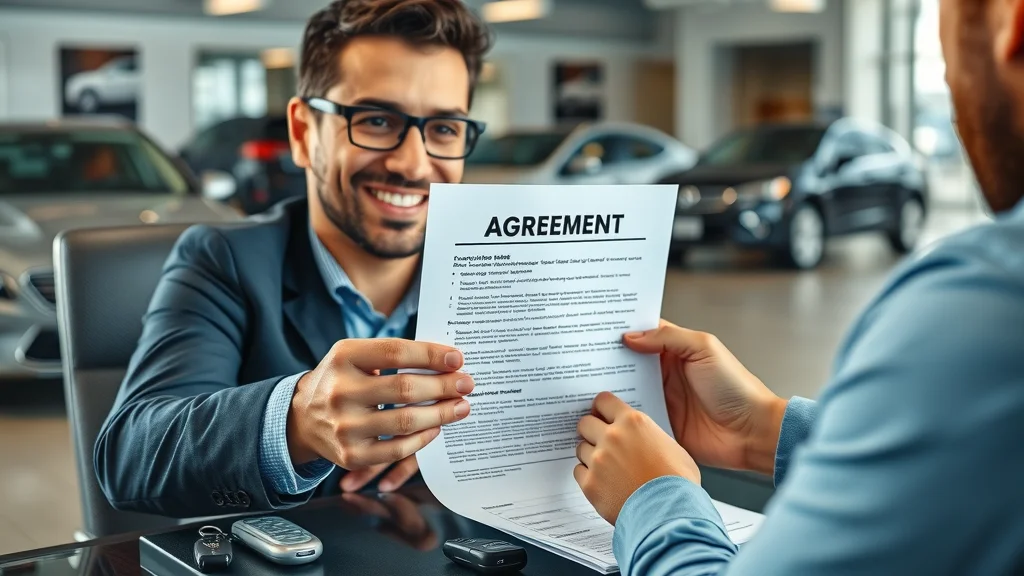
Customer receives aftermarket warranty agreement from knowledgeable auto advisor at dealership

Image: Polished close-up of aftermarket warranty agreement exchange demonstrating confidence in aftermarket products auto dealerships.

Auto Parts and Accessories: Essential Components in Aftermarket Products

Physical auto parts and accessories remain foundational aftermarket offerings in dealerships, allowing customers to customize, upgrade, or maintain their vehicles cost-effectively. Quality matters significantly as customers seek reliability and compatibility with their vehicle makes and models. Parts ranging from floor mats to brake pads are among the essentials dealerships stock or make available via online ordering.

With the rise of digital commerce, parts online and auto parts online services have expanded customer convenience, placing extensive inventories at consumers’ fingertips. This shift drives greater engagement in aftermarket sales, enabling dealerships to meet diverse requirements through both in-store and online fulfillment methods.
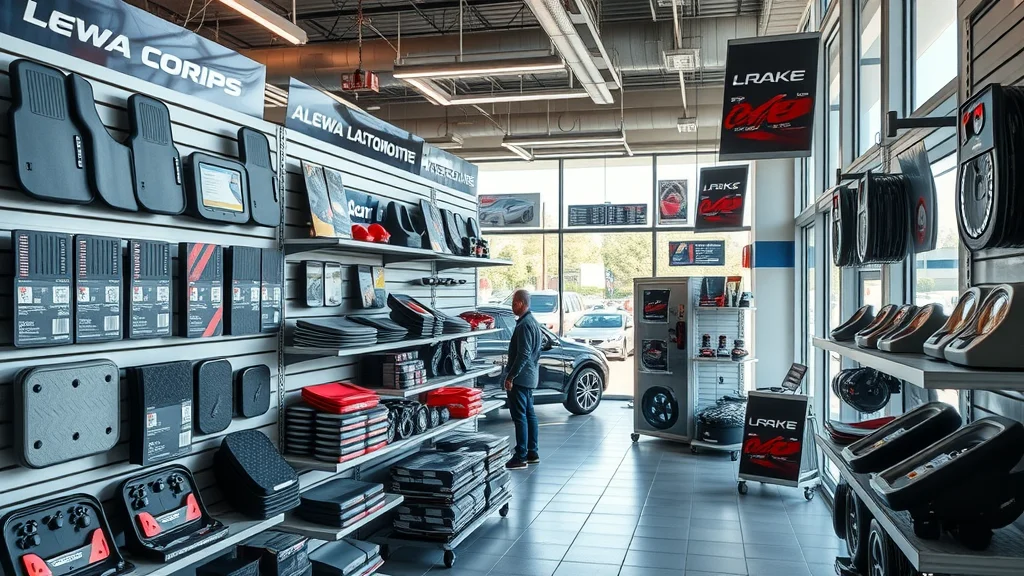
Automotive aftermarket parts displayed in a modern dealership parts store offering floor mats and brake pads

Image: Inviting, modern showroom displaying a wide selection of aftermarket automotive parts and accessories for customer browsing.

Expert Insights on Aftermarket Products Auto Dealerships

Chris Wied of Wied Auto Finance Solutions shares critical observations on current dealer sentiment: “Dealers are tired of the games and want real returns. Offering self-insured vehicle service contracts gives them control and profitability.” This expert perspective reflects a broader dealer desire to regain autonomy from fluctuating reinsurance arrangements, which often limit contract terms and contain hidden costs.

Wied emphasizes the value of self-insured vehicle service contracts, where dealerships hold the money, pay claims directly, and govern all contract terms. This approach increases profit margins, fosters dealership-customer trust, and boosts service department visits, all of which contribute to sustainable business growth.

The Role of Identity Verification and Fraud Prevention

Fraud prevention has become an indispensable component of aftermarket product offerings. Identity verification tools like Gather technology provide dealerships with the ability to verify a customer’s identity and auto insurance information instantly. This not only meets federal requirements like the FTC’s red flags rule but also effectively eliminates many fraudulent deals before they occur.

Chris Wied recounts real-world success stories where these tools prevented theft of high-value vehicles by identifying imposters posing as legitimate buyers. Such technology, operating at less than $3 per customer, represents a small investment to drastically reduce costly fraud-related losses and protect dealership assets.

Dealership employee uses digital identity verification tools to prevent fraud in aftermarket products auto dealerships

Image: Secure digital identity verification process being conducted by an alert dealership employee safeguarding aftermarket product sales.

Common Misconceptions and Challenges in Aftermarket Products Auto Dealerships

Despite clear advantages, aftermarket products auto dealerships face certain misconceptions and operational challenges. Some dealers hesitate to adopt new products over concerns about complexity, commission structures, or fear of upsetting existing systems. Additionally, transparency issues historically led to customer mistrust, as some contracts included ambiguous terms, hidden costs, or denied claims.

However, as Chris Wied asserts, the market increasingly demands clarity and honesty. “Everyone wants transparency in everything we do,” he says, noting the rising importance of frontline sales training to educate customers on genuine product benefits. Only dealers emphasizing straightforward, fair offerings will sustain growth and customer loyalty as vehicle ownership trends evolve.

Actionable Tips for Auto Dealerships to Maximize Aftermarket Product Sales

  • Conduct thorough discovery conversations to identify gaps in your current product offerings and dealership needs.
  • Leverage self-insured vehicle service contracts to enhance dealership control over claims processing and profitability.
  • Implement identity verification solutions like Gather technology to minimize fraud risks and ensure regulatory compliance.
  • Educate your sales team regularly on the features, benefits, and transparency of aftermarket products to build customer trust.
  • Engage customers with clear, honest communication emphasizing product value and direct benefits to their vehicle ownership experience.

Professional dealership sales team presenting aftermarket products auto dealerships options to young family customers

Image: Knowledgeable sales team engaging customers effectively to promote aftermarket products auto dealerships in a friendly atmosphere.

People Also Ask (FAQs) About Aftermarket Products Auto Dealerships

Will dealerships work on aftermarket parts?

Yes, most dealerships offer maintenance and repair services for aftermarket parts they sell, ensuring parts compatibility and service continuity. It's important customers confirm warranty terms and service agreements at purchase.

What is a red flag in a dealership?

A red flag refers to a warning sign of potential fraud or identity theft that dealerships are required by law to identify and act upon under the FTC’s Red Flags Rule. This includes suspicious documents or inconsistent customer information during transactions.

Who offers the best quality in automotive aftermarket?

Quality varies, but reputable agencies like Wied Auto Finance Solutions, alongside certified manufacturers and wholesalers, are trusted sources. Customers should look for verified warranties, transparent terms, and positive reviews.

Can I decline dealer add-ons?

Yes, customers can decline any add-on products offered at dealerships without affecting the vehicle purchase. It’s recommended to understand each product's benefits before deciding.

Tables: Comparison of Aftermarket Products and Their Benefits

Product Type Features Benefits Typical Price Range
Vehicle Service Contracts Extended coverage, customizable terms Customer retention, profit increase $500 - $2,000
GAP Insurance Covers loan balance if vehicle is totaled Financial protection for customers $400 - $700
Identity Theft Protection Customer identity verification Fraud prevention, compliance $2 - $5 per customer
Tire and Wheel Protection Covers tire and wheel damage Reduces repair costs, customer satisfaction $300 - $600

Key Takeaways

  • Aftermarket products auto dealerships are vital for boosting dealership profitability and establishing customer loyalty in a competitive market.
  • Self-insured vehicle service contracts empower dealerships with more control, better claims management, and enhanced profit margins.
  • Identity verification tools like Gather are critical to fraud prevention and satisfying federal compliance requirements efficiently and affordably.
  • Transparency and continuous education are essential to overcoming skepticism among dealers and customers alike.
  • The aftermarket products market is set for growth amid longer vehicle ownership and evolving customer expectations.
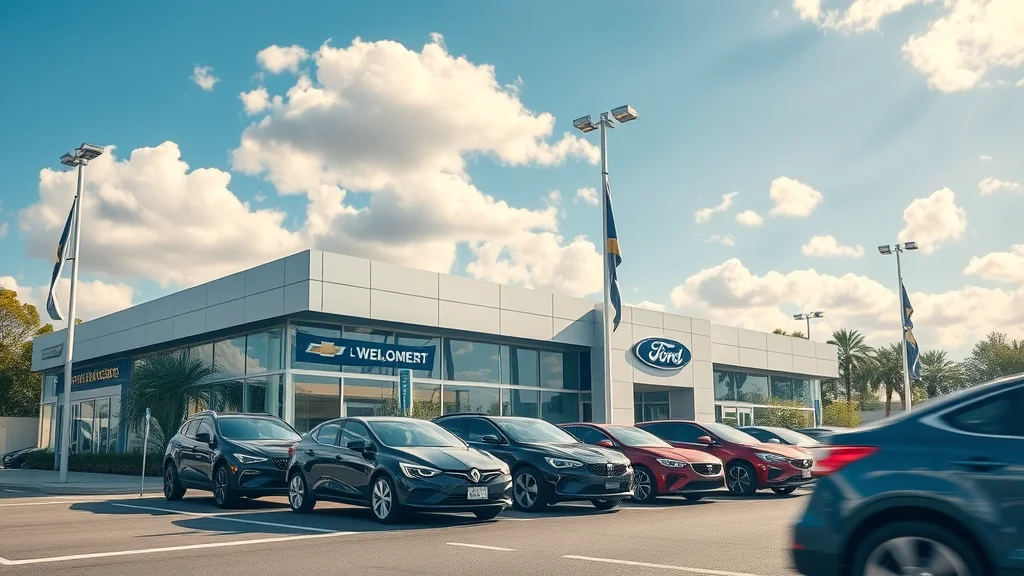
Modern car dealership exterior showcasing a welcoming environment highlighting aftermarket products auto dealerships

Image: Forward-looking modern car dealership exterior reflecting growth and innovation in aftermarket products auto dealerships.

Conclusion: Embracing Aftermarket Products for Future Success

Chris Wied, of Wied Auto Finance Solutions, concludes, "2026 will see a rebound in the industry, and those who adapt with smart aftermarket products will be the ones to thrive." For dealerships, embracing these evolving aftermarket strategies is essential to staying competitive and profitable.

For more information visit: https://www.w-afs.com/ and/or call: 833-533-3600.

What You'll Learn

In this article, readers gain a comprehensive understanding of:

  • The critical trends shaping aftermarket product adoption in auto dealerships.
  • The significance of self-insured vehicle service contracts and fraud prevention tools.
  • Practical tips for dealerships to enhance aftermarket product sales effectively.
  • How longer vehicle ownership trends impact aftermarket product strategies.

Sources

  • https://www.w-afs.com/
finance on vehicle

16 Views

0 Comments

Write A Comment

*
*
Related Posts All Posts
02.09.2026

Building Dealer Profitability Through Transparency and Customer-Centric Aftermarket Products

Did you know that 2026 is poised to bring a significant surge in the automotive aftermarket business as vehicles purchased during the COVID-19 pandemic reach the end of their lifecycles? This unexpected growth opportunity demands that car dealerships rethink their strategy on dealer profitability aftermarket products Startling Industry Insight: The Growing Importance of Dealer Profitability and Aftermarket Products The automotive retail landscape is rapidly evolving, with many dealerships seeking dependable and sustainable revenue streams beyond vehicle sales. One of the most impactful ways to boost dealer profitability aftermarket products is through integrating aftermarket parts and service contracts tailored to customer needs. From extended warranties to identity theft protection, offering transparent and customer-centric products creates multiple touchpoints for additional dealership revenue. Chris Weed of Wied Auto Finance Solutions highlights, “We have seen tremendous growth potential by focusing on products that dealers don’t currently offer — effectively filling gaps without disrupting their existing operations.” This philosophy of supplementing dealership portfolios with innovative aftermarket solutions rather than replacing current offerings has proven fruitful, building trust both with dealers and customers alike. By leveraging existing dealer relationships and offering unique product mixes, dealerships can not only increase short-term profits but also nurture repeat service visits, which are crucial to long-term success in the parts and service departments. Understanding Dealer Profitability and Aftermarket Products in the Automotive Industry What Are Aftermarket Parts and Their Impact on Spare Parts Sales? Aftermarket parts refer to vehicle components and accessories not made by the original equipment manufacturer (OEM) but designed to fit or enhance the vehicle. These parts range from tires and batteries to specialty wheels and car care accessories. Spare parts sales represent a vital revenue stream that frequently outperforms new car sales margins, thanks to higher markups and ongoing maintenance needs. Integrating high-quality aftermarket parts alongside OEM components allows dealerships to capture a larger share of the spare parts sales market. These products complement regular maintenance offerings, enhancing customer convenience, and encouraging service department use. As vehicles on the road age— with many now averaging over 13 years — customers increasingly require affordable and reliable aftermarket options, driving consistent sales growth. Chris Weed notes, “We provide everything from identity theft products to comprehensive vehicle protection solutions, ensuring dealerships have access to the full spectrum of aftermarket products, allowing them to meet customer expectations across the board.” This holistic inventory approach supports both customer satisfaction and dealership profit maximization. The Role of Transparency in Enhancing Dealer Profitability How Transparency Builds Trust with Customers and Improves Aftermarket Revenue Transparency is the cornerstone of building dealer profitability aftermarket products success. Customers today demand clear, honest information about aftermarket offerings, including pricing, coverage, and claim processes. When dealers openly communicate these details, they foster trust, reduce buyer hesitation, and increase the likelihood of aftermarket package purchases. Transparency also extends internally within dealerships, encouraging collaboration between sales, finance, and service teams. This alignment ensures consistent messaging and product delivery, avoiding customer confusion and dissatisfaction. Chris Weed emphasizes, “We believe dealers should be empowered to offer self-insured vehicle service contracts, holding money and paying claims themselves. This control boosts profitability and reinforces dealer integrity with customers.” By offering simple, straightforward products that “do what they say and say what they do,” dealerships can repair the often-distrustful customer relationship common in the finance and insurance (F&I) office, turning aftermarket products into a positive customer experience rather than a last-minute sales push. Leveraging Aftermarket Products to Drive Dealership Profitability Key Aftermarket Products That Boost Dealer Profitability Chris Weed explains, “We offer programs where dealers can build their own vehicle service contracts, holding the money and paying claims themselves, which gives them full control and better profitability.” Among the various dealer profitability aftermarket products, vehicle service contracts (VSCs) represent a substantial profit center. Traditional reinsurance models, where dealerships essentially outsource risk and control, often entail high fees and limited flexibility. Chris Weed advocates a shift towards dealer-controlled, self-insured contracts that allow dealerships to handle claims directly — a lucrative shift enhancing margins and customer loyalty. Besides VSCs, dealers leverage GAP insurance, tire and wheel protection, and identity theft protection to diversify their offerings. Technology plays a critical role in introducing products like gather technology for identity and insurance verification, which reduces fraud and compliance risk while enhancing product value. This suite of aftermarket products enriches dealership revenue streams, enabling dealerships to capture more value throughout the vehicle ownership lifecycle. Integrating Aftermarket Parts and Accessories for Enhanced Parts Sales The integration of aftermarket parts and accessories into dealership sales and service operations is key to sustainable profitability. A well-stocked and efficiently managed parts department attracts repeat customers who prefer the convenience and trust of purchasing parts from their dealership. Technicians rely on a mix of OEM and carefully selected aftermarket parts, creating upsell opportunities and enhancing customer satisfaction. When sales staff teams collaborate with parts and service departments, they can confidently recommend accessories and maintenance products suited to customer vehicles, fueling parts sales and aftermarket revenue growth. When leveraged properly, aftermarket parts become a critical touchpoint, not only driving spare parts sales but also reinforcing customer relationships and long-term service retention. Strategies for Car Dealers to Maximize Aftermarket Sales and Spare Parts Sales Overcoming Common Challenges in Aftermarket Revenue Generation Generating consistent aftermarket revenue faces obstacles, including customer skepticism, complex products, and dealer staff reluctance. Education and continuous training of sales and F&I teams are essential strategies for overcoming these challenges, enabling staff to present products confidently and transparently. Dealerships adopting digital verification tools like Gather technology reduce fraud incidents, which historically jeopardized customer trust and product credibility. Transparency in pricing, benefits, and claim handling directly addresses customers’ negative preconceptions associated with aftermarket packages. Dealer leadership must champion community engagement and mission-driven branding to position their dealerships as trusted local authorities. As Chris Weed insightfully remarks, “Dealers who involve their communities, emphasize transparency, and empower their staff will thrive amidst industry consolidation and changing consumer expectations.” The Future Outlook: Trends Shaping Dealer Profitability and Aftermarket Products Chris Weed predicts, “2026 will see an insurgence in the automobile aftermarket business as vehicles bought during COVID reach replacement age, creating new opportunities for dealer profitability.” How Car Dealerships Can Adapt to Changing Market Conditions The automotive industry is facing a pivotal moment as vehicles purchased during the COVID-19 pandemic enter their replacement cycle, promising a booming aftermarket market in 2026. Dealerships must adapt quickly by adopting innovative products and technologies that empower both dealers and customers to navigate this growth sustainably. Chris Weed shares that the next wave of profitability will involve longer-term contracts (such as 5-year, 125,000-mile coverage) that fit the evolving financing timelines customers are utilizing. Dealers also need to reassess their reliance on traditional reinsurance arrangements and consider dealer-controlled programs that enhance margins and operational agility. Investing in staff training, digital verification tools, and customer-first service philosophies will allow dealerships to capitalize on emerging trends, differentiate themselves, and secure profitability in a competitive market. People Also Ask: Addressing Common Questions About Dealer Profitability and Aftermarket Products What is the most profitable part of a dealership? — The F&I office generating revenue through service contracts, GAP insurance, and aftermarket products is often the highest-margin segment. How much of a markup do dealers put on used cars? — Dealer markups vary but generally range from 10% to 20%, with aftermarket product sales offering even higher percentage margins. What do car dealers make the most money on? — Dealers earn the most profit from financing, insurance products, and aftermarket parts and services. Do dealers use aftermarket parts? — Yes, after market parts are widely used to provide customers with affordable alternatives and to boost dealership spare parts sales. What You'll Learn: Key Takeaways for Enhancing Dealer Profitability with Aftermarket Products Key Insight Actionable Strategy Expected Outcome Transparency builds customer trust Implement clear communication on product benefits Increased sales and repeat business Self-insured service contracts Offer dealer-controlled warranty programs Higher profit margins and control Technology adoption Use identity verification tools like Gather Reduced fraud and improved compliance Community engagement Involve dealership in local initiatives Stronger brand loyalty and market position Conclusion: Empowering Car Dealers to Boost Profitability Through Transparency and Aftermarket Innovation Dealerships embracing transparency, customer-focused products, and innovative control over service contracts position themselves for stronger profits and enduring customer relationships. Start integrating these proven strategies today to lead confidently into 2026 and beyond. For more information visit: https://www.w-afs.com/ or call: 833-533-3600. Sources Wied Auto Finance Solutions Automotive News

02.09.2026

Navigating the Changing Landscape of Auto Dealership Ownership and Its Impact on F&I

Did you know that over 40% of automotive dealerships in key states have experienced ownership changes recently, reshaping the future of dealership profits and F&I operations? The automotive retail landscape is undergoing a significant transformation with growing consolidation, evolving financing strategies, and technological innovation Overview of Auto Dealership Ownership Changes and Their Significance Auto dealership ownership changes refer to the process in which independent dealerships or family-owned franchises are acquired, consolidated, or transitioned to new owners – often to large dealership groups or investment firms. This trend has accelerated in recent years across several states including Texas, Oklahoma, New Mexico, Arkansas, and Louisiana, reshaping the competitive landscape and operational structures of dealerships. Current industry trends point towards aggressive acquisitions and consolidation efforts by large dealership groups. These consolidations often mean that smaller, locally owned dealerships are absorbed by bigger entities that bring capital, operational scale, and centralized decision-making. While this shift can increase profitability and operational efficiency, it also significantly affects dealership owners and the communities they serve. The loss of local control may weaken community ties, a concern echoed by experts in the field. Chris Weed, of Wied Auto Finance Solutions, emphasizes, "The local hometown dealer groups lose when big groups swallow them up, and technology is what the local community wants." This tension between consolidation benefits and community connection is central to understanding the impact of ownership changes. As dealerships transition, maintaining a sense of local identity while embracing technological and operational advancements is critical. The Rise of Dealership Groups and Haig Partners Influence Role of large dealership groups in reshaping the market Haig Partners' involvement in dealership sales and acquisitions Effects on dealership sales dynamics and ownership structures Large dealership groups, backed by institutional investors or family offices, have become dominant players in the market. Their role extends beyond simple dealership ownership as they integrate multiple locations, standardize operations, and negotiate better supplier terms. Haig Partners, a notable investment partner, plays a key role in facilitating dealership sales and acquisitions, fueling the rapid consolidation seen in the industry. These partners provide the capital and strategic oversight necessary for expansion, often leading to dealership sales being executed as part of broader investment portfolios rather than individual retail transactions. This new ownership model changes sales dynamics, moving away from local family-run businesses to corporate-managed groups. While it can enhance capital investments and improve profitability, it challenges traditional dealership cultures and requires adaptation of F&I strategies to align with group-wide policies and efficiencies. Dealers within these groups often face more stringent oversight but also benefit from shared resources and data analytics capabilities that individual dealerships previously lacked. How Auto Dealership Ownership Changes Affect Dealership Profits and F&I Operations Shifts in dealership profits due to ownership transitions Changes in F&I product offerings and management The role of indirect lending and aftermarket products in profitability Ownership transitions in auto dealerships provoke significant shifts in profit structures. As control moves to larger groups or new owners, profitability can be influenced by new operational efficiencies, cost structures, or strategic priorities. For example, F&I operations may be consolidated or modified to leverage group-wide contracts or preferred vendors, altering the traditional approach to product offerings. Dealers may expand or narrow the array of finance and insurance products to optimize returns. Indirect lending, which involves financing through third-party lenders, grows increasingly important in this new era. Chris Weed, founder of Wied Auto Finance Solutions, shares his perspective: “We generate between 12,000 and 14,000 loans a month, providing a handsome commission and plugging aftermarket products alongside.” This approach not only generates significant commissions but also allows for strategic placement of aftermarket products like vehicle service contracts and gap insurance, driving ancillary revenue essential to dealership profitability. The integration of indirect lending with aftermarket products is evolving into a core profit driver, especially for dealerships navigating ownership change. Effective management and pairing of these products can improve customer satisfaction while bolstering dealership financial health. Interest Rates and Their Influence on Dealership Sales and F&I Strategies Current trends in interest rates and their impact on auto dealer financing How fluctuating interest rates affect dealership sales and customer purchasing power Strategies dealerships use to adapt F&I products to changing interest rates Interest rates play a pivotal role in dealership sales and financing. Recently, fluctuations in interest rates have influenced customer purchasing behavior and overall finance options. Higher rates tend to reduce customer affordability and lengthen the time to close sales, while lower rates increase purchasing power and stimulate turnover. Dealerships have adjusted their F&I strategies by promoting longer-term loan products aligned with customer financial capabilities. Chris Weed notes that the current market is witnessing shifts toward extended financing terms: 66, 72, and 84 month loans are becoming standard, necessitating F&I products like vehicle service contracts with matching term lengths to offer proper coverage and meet lender expectations. Teams have become more strategic in combining credit products, service contracts, and insurance offerings to maintain profitability in a variable rate environment. Dealerships are increasingly utilizing technology for forecasting rate changes and monitoring market trends to adapt their portfolio of products proactively. Innovations and Best Practices in F&I Amid Ownership Changes Introduction of self-insured vehicle service contracts as an alternative to reinsurance Use of technology like Gather for red flag compliance and fraud prevention Importance of transparency and customer-focused service contracts Innovations in finance and insurance products have emerged to address the challenges posed by dealership ownership changes. One notable innovation is the adoption of self-insured vehicle service contracts (VSCs), which allow dealerships to retain control over claims and funds rather than relying on third-party reinsurance providers. Chris Weed highlights the benefits: "Dealers are tired of the games; they want real returns and profits with products that say what they do and do what they say." Self-insured VSC programs provide extended coverage, sometimes up to 5 years or 125,000 miles, fulfilling both lender requirements and customer needs for comprehensive protection. Moreover, technology solutions like Gather have become essential for dealerships to comply with federal "red flag" rules aimed at verifying customer identity and preventing fraud. Gather technology simplifies identity verification with quick steps–a selfie, license photo, and insurance card check–reducing fraud risk and enhancing customer trust. Such tools cost less than $3 per customer while delivering substantial protection. Dealerships are also embracing transparency in their F&I product offerings. Clear communication about service contract coverage, costs, and benefits is becoming a hallmark of customer-focused operations, restoring trust in a market that has long been wary of hidden fees and claim denials. Common Challenges and Misconceptions in Auto Dealership Ownership Changes Dealer resistance to adopting new technologies and compliance tools Misunderstandings about preload products and their transparency The impact of ownership changes on dealership culture and employee empowerment Despite innovations, many dealerships face resistance adopting new technologies, particularly tools designed to enhance compliance and protect against fraud. A common issue is misunderstanding the value of preload products and the necessity of clear, transparent communication around them. Some dealers fear preload products complicate sales or reduce trust, although proper education reveals they often enhance customer satisfaction and profitability. Ownership changes tend to disrupt dealership culture, sometimes leading to employee disengagement and loss of the entrepreneurial spirit that smaller dealerships thrive on. Without clear communication of vision and empowerment, sales and F&I teams may feel disconnected from new corporate mandates, limiting effectiveness. Encouraging employee participation and aligning strategies with community and customer needs helps bridge this gap. Actionable Tips for Dealership Owners Navigating Ownership Changes Embrace technology for compliance and customer protection Focus on building community relationships and local brand identity Evaluate F&I product portfolios for profitability and customer satisfaction Prepare for evolving interest rates and financing terms Challenge Impact Recommended Action Resistance to Technology Increased fraud risk and compliance issues Implement tools like Gather for identity verification Misunderstanding Preload Products Reduced transparency and customer trust Educate staff and customers on product details Ownership Transition Uncertainty Employee disengagement and profit loss Communicate vision and empower sales teams Dealership owners should proactively leverage technology to assure compliance and protect their customers. Building strong community relations and fostering a local brand identity remain critical, even when part of larger groups. Continual evaluation of F&I product profitability and customer satisfaction ensures the dealership remains competitive and trusted as markets and interest rates shift. People Also Ask (PAA) What is red flag compliance for auto dealers? It refers to federal regulations requiring dealerships to verify the identity of customers to prevent fraud and identity theft during transactions. Dealerships must implement practices and tools to detect and respond to warning signals or “red flags.” What is the four square trick at a car dealership? It is a sales technique that breaks down the negotiation into four components: the trade-in value, the price of the new car, the down payment, and the monthly payment, used to structure deals and influence customer decisions. What is a red flag in a car dealership? In dealership terms, a red flag is any warning sign indicating potential fraud or risk in a deal, such as suspicious identification or inconsistent information provided by the customer. Do car dealership owners own the cars? Dealership owners own their inventory cars until sold, but vehicles financed by customers may be subject to liens held by financing institutions until loans are paid off. Key Takeaways Auto dealership ownership changes are reshaping the industry landscape and significantly impacting F&I operations. Large dealership groups and partners like Haig Partners play pivotal roles in these ownership transitions. Dealership profits and F&I strategies must adapt to changing interest rates and evolving customer demands. Innovative products such as self-insured vehicle service contracts and compliance technologies enhance profitability and trust. Transparency, community engagement, and technology adoption are critical success factors amid ownership changes. Conclusion Chris Weed, of Wied Auto Finance Solutions, concludes, "2026 will be a year of resurgence for the auto industry, rewarding those who adapt and innovate in the face of change." Take the Next Step in Navigating Auto Dealership Ownership Changes For more information visit: https://www.w-afs.com/ and or call: 833-533-3600.

02.09.2026

The Future of Vehicle Service Contracts: Trends and Dealer Strategies for 2026

Did you know the average vehicle on the road today is over 13 years old? This striking fact highlights a massive shift in how consumers view car ownership and maintenance For dealerships, this evolving landscape demands new strategies and solutions that cater to longer vehicle ownership and the desire for transparent, reliable product offerings. Understanding and adapting to these changes will be critical for dealers to remain competitive and profitable in 2026 and beyond. Overview of Vehicle Service Contracts 2026: Definitions and Market Context Vehicle service contracts, often called extended car warranties, are agreements that cover certain repair costs beyond the manufacturer’s original warranty period. These contracts offer peace of mind and financial protection against unexpected repair costs on aging vehicles. The market now features two prevailing warranty models: the traditional reinsurance model where third-party companies hold and insure the contracts, and the emerging self-insured warranty model, where dealers themselves fund and manage the service contracts. Chris Weed, of Wied Auto Finance Solutions, explains, “We actually offer a program where dealers can build their own vehicle service contract, holding the money and paying claims themselves, giving them full control compared to traditional reinsurance models.” This shift signals a growing trend towards dealer empowerment, reducing dependency on external warranty companies and administrative costs. Key Terms: Extended Warranty, Car Warranty, and Vehicle Service Contract Understanding the terminology is essential. An extended warranty typically complements or extends the original manufacturer’s warranty, covering specific components or repairs. Car warranties can refer to either factory warranties or aftermarket agreements. Vehicle service contracts are comprehensive coverage plans that vary widely but often cover major mechanical breakdowns and repairs beyond the factory period. Emerging Trends in Vehicle Service Contracts 2026 Longer-term contracts aligned with extended loan terms, some reaching up to 84 months, reflecting longer vehicle financing cycles. A shift from traditional reinsurance models to dealer-owned warranty companies (DOWC), enabling dealers to control profits and customer service. A growing industry-wide focus on transparency and simplicity in contract terms to rebuild trust with dealers and consumers. Increased emphasis on protecting aging vehicles with extended car warranties, as cars remain on the road for over a decade on average. As Chris Weed notes, “Dealers are tired of the games and want real returns. They want to offer service contracts that truly protect customers and bring them back to the dealership.” This new mindset is reshaping product offerings and dealer approaches nationwide. Dealer Strategies for Maximizing Vehicle Service Contracts in 2026 Dealers aiming to thrive in 2026 need strategic approaches tailored to today’s market realities. One effective method is conducting thorough discovery sessions to identify gaps in existing FNI (Finance and Insurance) product offerings. By understanding exactly where the dealership’s portfolio may be lacking, agents can plug in complementary products rather than disrupt what is working well. Chris Weed shares, “Our approach is not to disturb what dealers are doing but to plug in products they don’t already have, enhancing their profitability and customer satisfaction.” Leveraging indirect lending partnerships serves as a valuable door opener, facilitating these conversations and increasing contract penetration. Implementing self-insured warranty programs can reduce administrative costs and increase dealer control over customer retention and claims management. Finally, educating sales teams about the tangible benefits of service contracts — both in terms of customer loyalty and dealership profits — helps ensure these products are positioned as valuable, transparent offerings. The Role of Transparency and Trust in Selling Extended Warranties Transparency is pivotal. Dealers and consumers alike have grown wary of complex, unclear contracts and insurance products that do not deliver as promised. The future favors products that are simple, honest, and focus on clear benefits. Building trust by saying what you do and doing what you say is key to success in the service contract market. Technological Innovations Supporting Vehicle Service Contracts Identity verification platforms like Gather technology reduce fraud and streamline contract validation processes. Integration of digital tools allows seamless management of service contracts, claims, and customer communications. Compliance with the FTC’s red flags rule and safeguard rules ensures dealerships protect personal identifiable information (PII), reinforcing customer trust. Chris Weed emphasizes, “Gather technology is a simple yet powerful tool that verifies customer identity and insurance, preventing fraud and protecting dealerships.” This innovation represents significant progress in minimizing risk and improving dealership operational efficiency. Challenges and Common Misconceptions About Vehicle Service Contracts Despite the clear benefits, several challenges persist in the industry. Some dealers resist adopting service contracts due to fear of losing control to the FNI office or concerns over complex product structures. Misunderstandings around preload products and their transparency fuel skepticism. Additionally, customers often doubt the reliability of extended warranties and worry about claim denials. Chris Weed remarks, “The industry has seen the good, the bad, and the ugly. Dealers want products that pay claims and build customer loyalty, not just add complexity.” Overcoming these misconceptions requires dealers to educate their staff and customers candidly, demonstrating reliability and value. Actionable Tips for Dealers to Boost Vehicle Service Contract Sales in 2026 Analyze current FNI offerings thoroughly and identify gaps where new products can enhance dealership portfolios. Train sales teams intensively on the benefits, transparency, and simplicity of extended warranties to improve customer acceptance. Adopt self-insured warranty programs to increase dealer control over claims and improve profitability. Utilize technology tools like Gather for identity verification, fraud prevention, and compliance with regulatory requirements. Engage customers with clear, straightforward contract terms and emphasize the tangible value offered by service contracts. What You'll Learn Understanding the evolving landscape of vehicle service contracts 2026 and their significance. Key dealer strategies to maximize profitability and foster customer retention in a competitive market. Technological advances enhancing security, compliance, and operational efficiency in contract management. How to overcome challenges and clear misconceptions for sustained growth in the service contract sector. People Also Ask (FAQs) What is the average cost of a vehicle service contract? Costs vary widely depending on coverage level and vehicle age, typically ranging from $500 to $2,000. Factors such as contract duration and included components influence pricing. What is the 30 60 90 rule for car maintenance? This rule provides a guideline for scheduling key maintenance services at 30,000, 60,000, and 90,000 miles to help ensure a vehicle’s longevity and optimal performance. Is a vehicle service contract mandatory? No, vehicle service contracts are not mandatory, but they are highly recommended to protect customers from unexpected expensive repair costs. What are the negatives of CarShield? Some customers report high costs and limited coverage. Transparency is crucial when selecting any extended warranty provider to avoid unexpected exclusions and fees. QuestionAnswer Summary What is the average cost of a vehicle service contract?Costs vary widely depending on coverage and vehicle age, typically ranging from $500 to $2,000. What is the 30 60 90 rule for car maintenance?A guideline for scheduling vehicle maintenance at 30,000, 60,000, and 90,000 miles to ensure longevity. Is a vehicle service contract mandatory?No, but highly recommended to protect against unexpected repair costs. What are the negatives of CarShield?Some customers report high costs and limited coverage; transparency is key when choosing providers. Key Takeaways Vehicle service contracts 2026 will favor longer contract terms aligned with extended financing and increased dealer-owned warranty models. Transparency and simplicity are essential to rebuild trust with dealers and customers alike. Technology such as Gather plays a critical role in fraud prevention and regulatory compliance. Dealers must adopt strategic approaches to maximize profitability, customer retention, and adapt to the evolving automotive market. Conclusion: Preparing for Success with Vehicle Service Contracts in 2026 Dealers should embrace innovative warranty models and technological tools to capitalize on the growing market for protecting older vehicles. Focusing on transparency and customer-centric products is key to building lasting relationships and profitability. 2026 offers a promising horizon for dealerships ready to evolve and lead through smart vehicle service contracts strategies. Chris Weed concludes, "2026 is the year dealers get back to making money in FNI by offering real, transparent service contracts that protect customers and build lasting relationships." Call to Action For more information visit: https://www.w-afs.com/ or call: 833-533-3600. Explore how Wied Auto Finance Solutions can help your dealership maximize vehicle service contracts in 2026. Sources https://www.w-afs.com/

Terms of Service

Privacy Policy

Core Modal Title

Sorry, no results found

You Might Find These Articles Interesting

T
Please Check Your Email
We Will Be Following Up Shortly
*
*
*